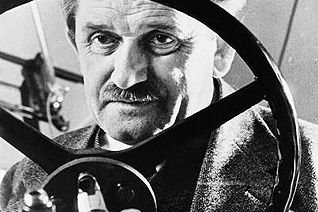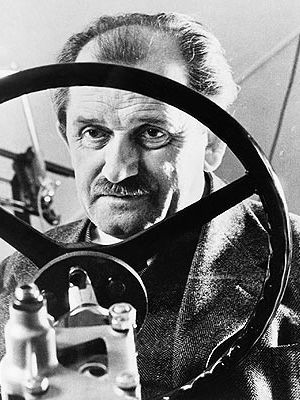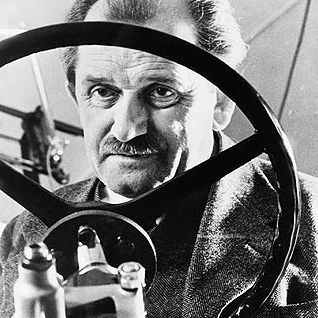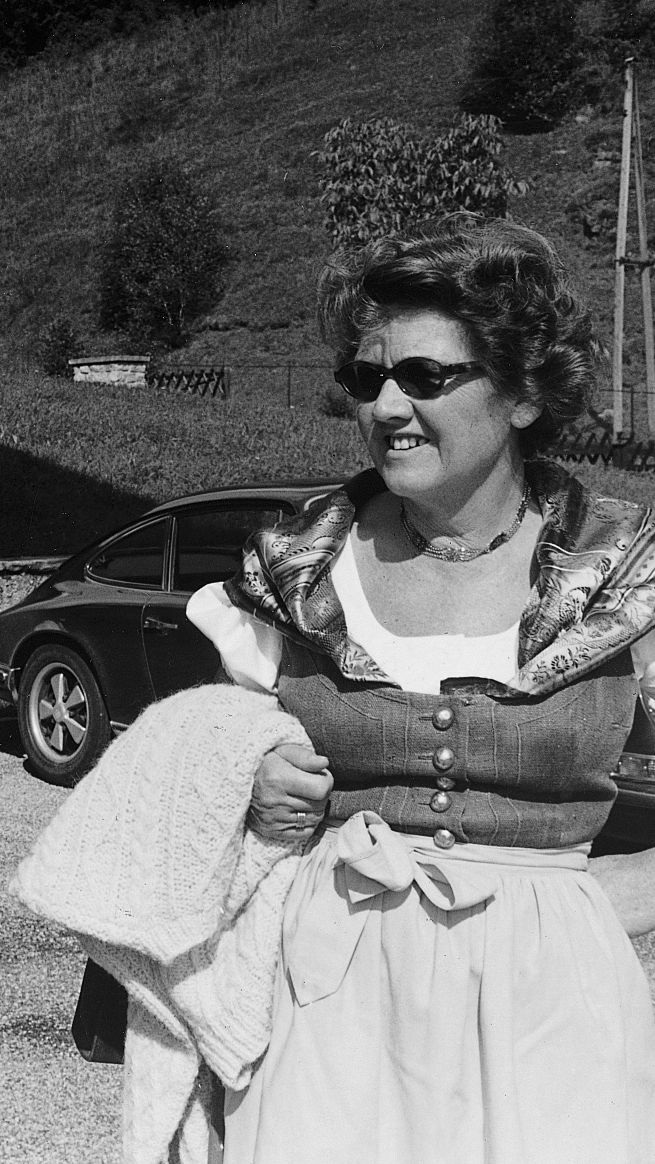
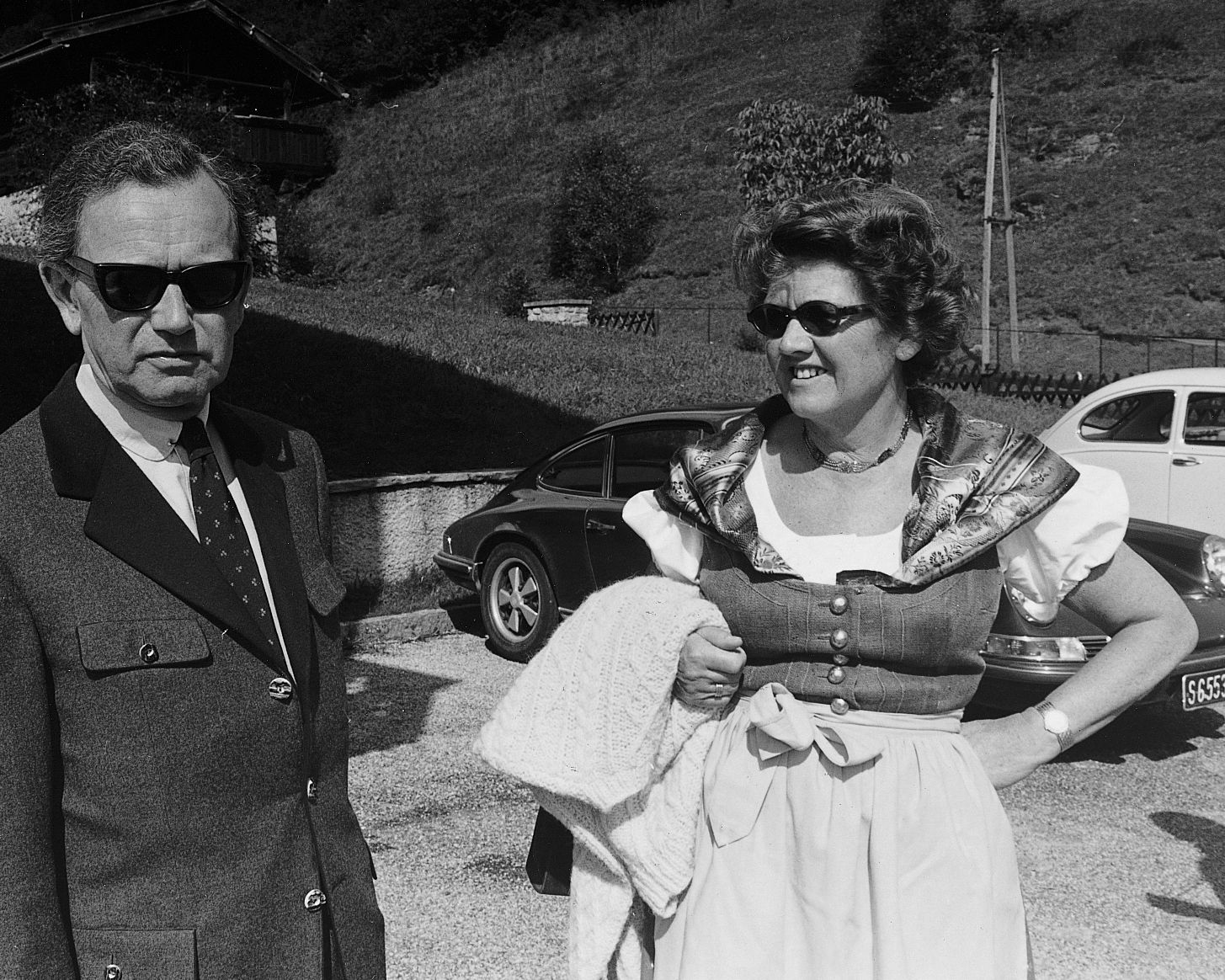
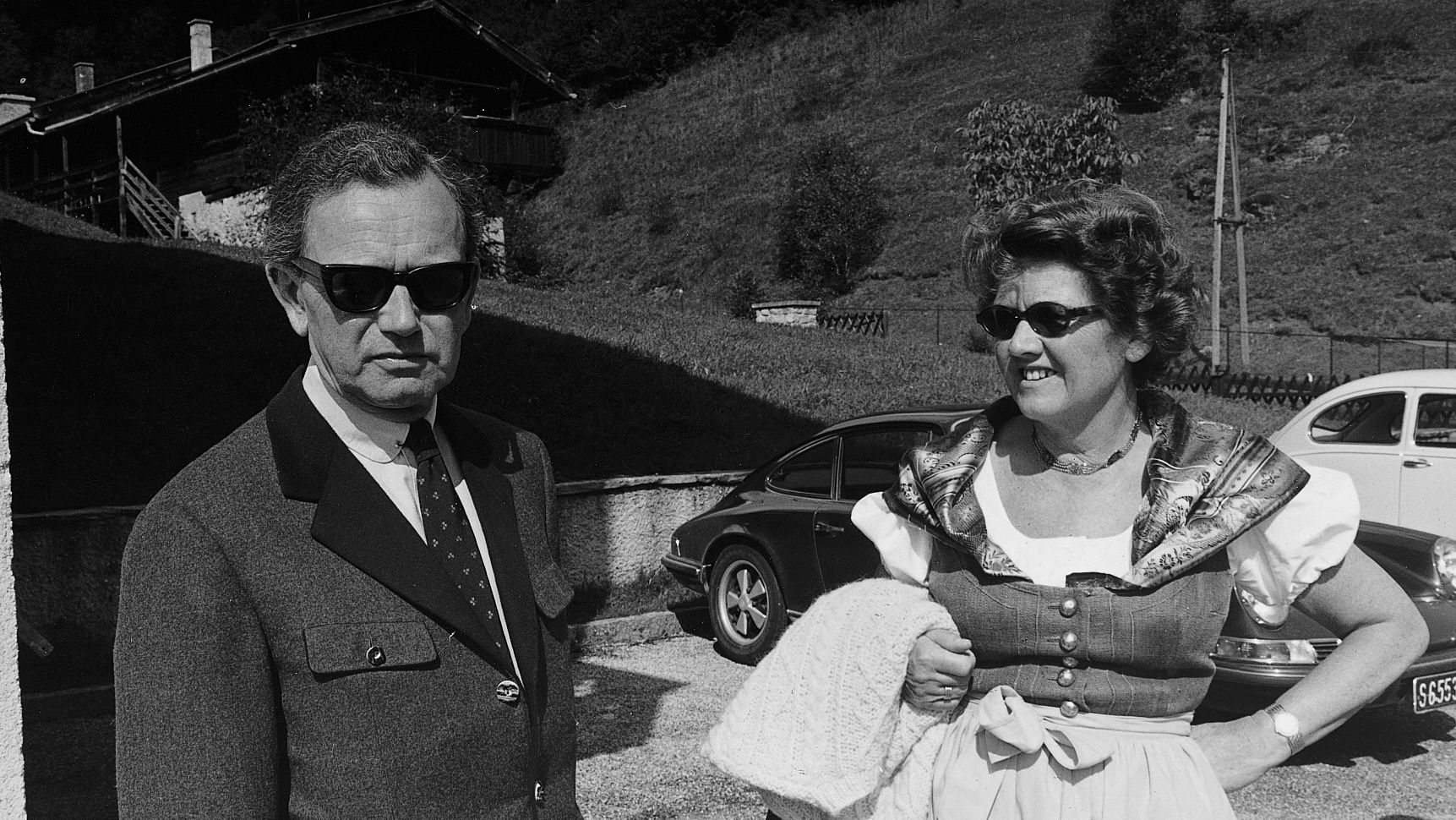
Louise Piëch & Ferry Porsche
1945 până în 1970
După sfârșitul celui de-al Doilea Război Mondial, Louise Piëch și Ferry Porsche au pus bazele a două sucursale de familie ale companiei, care s-au dezvoltat cu succes în Porsche Holding din Salzburg și Porsche AG din Stuttgart. După sfârșitul războiului, ei și-au asigurat inițial întreaga viață a tatălui lor prin înființarea companiei Porsche Konstruktionen GesmbH. Aceasta a fost urmată de înființarea mărcii Porsche și de un acord revoluționar cu Volkswagen, care a permis, printre altele, începerea activităților de import VW în Austria.
1945
A doua generație se apucă de treabă
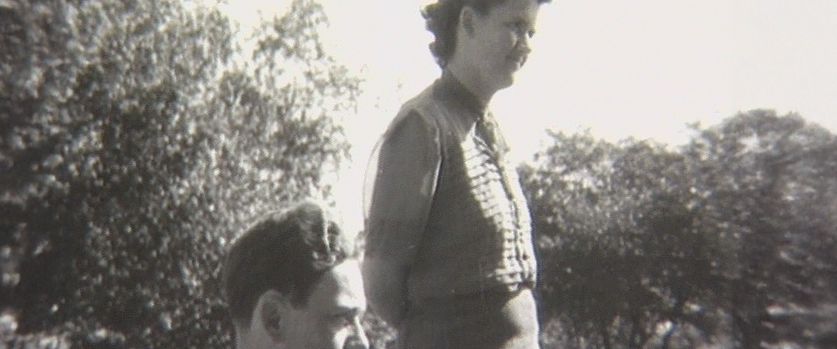
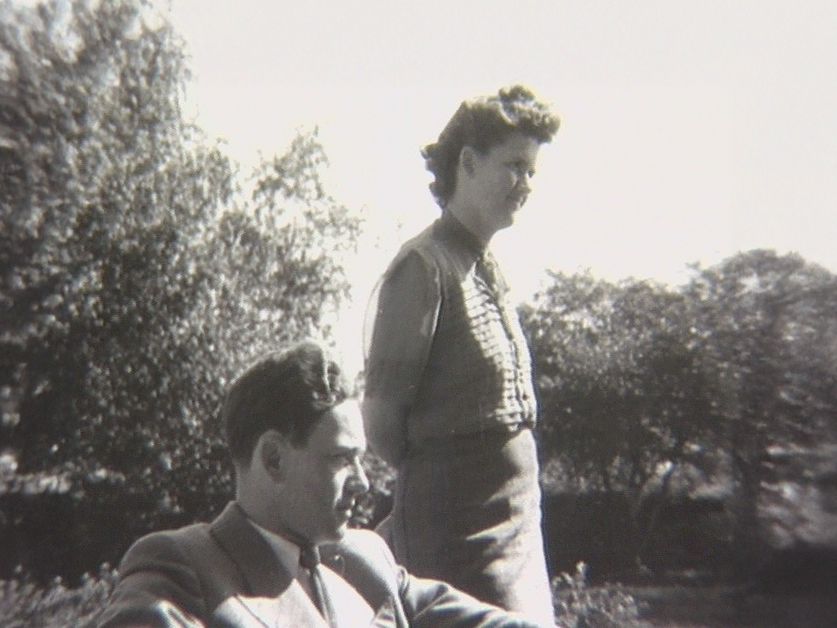
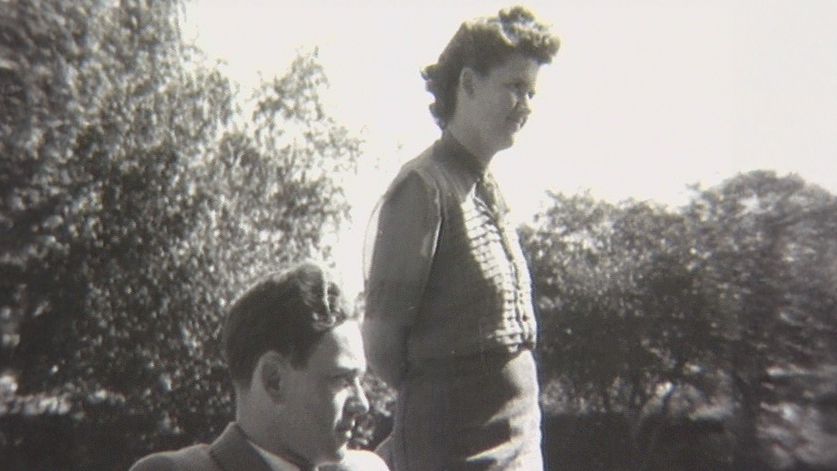
În timpul celui de-al Doilea Război Mondial, biroul de proiectare Porsche a fost relocat la Gmünd, în Carintia. După încheierea conflictului, Ferry Porsche și echipa sa au continuat activitatea acolo, precum și în atelierul din Zell am See, ocupându-se de producția de trolii și tractoare, dar și de repararea fostelor vehicule militare.
1947
Se înființează Porsche Konstruktionen GesmbH
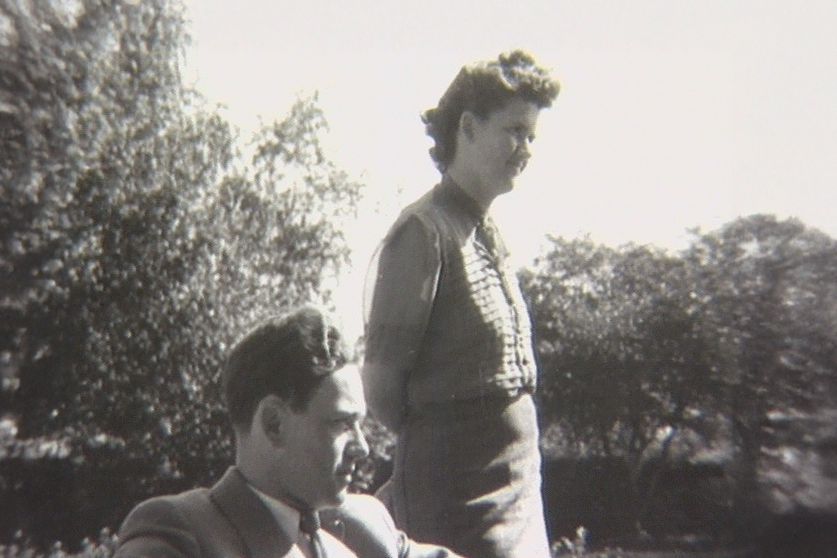
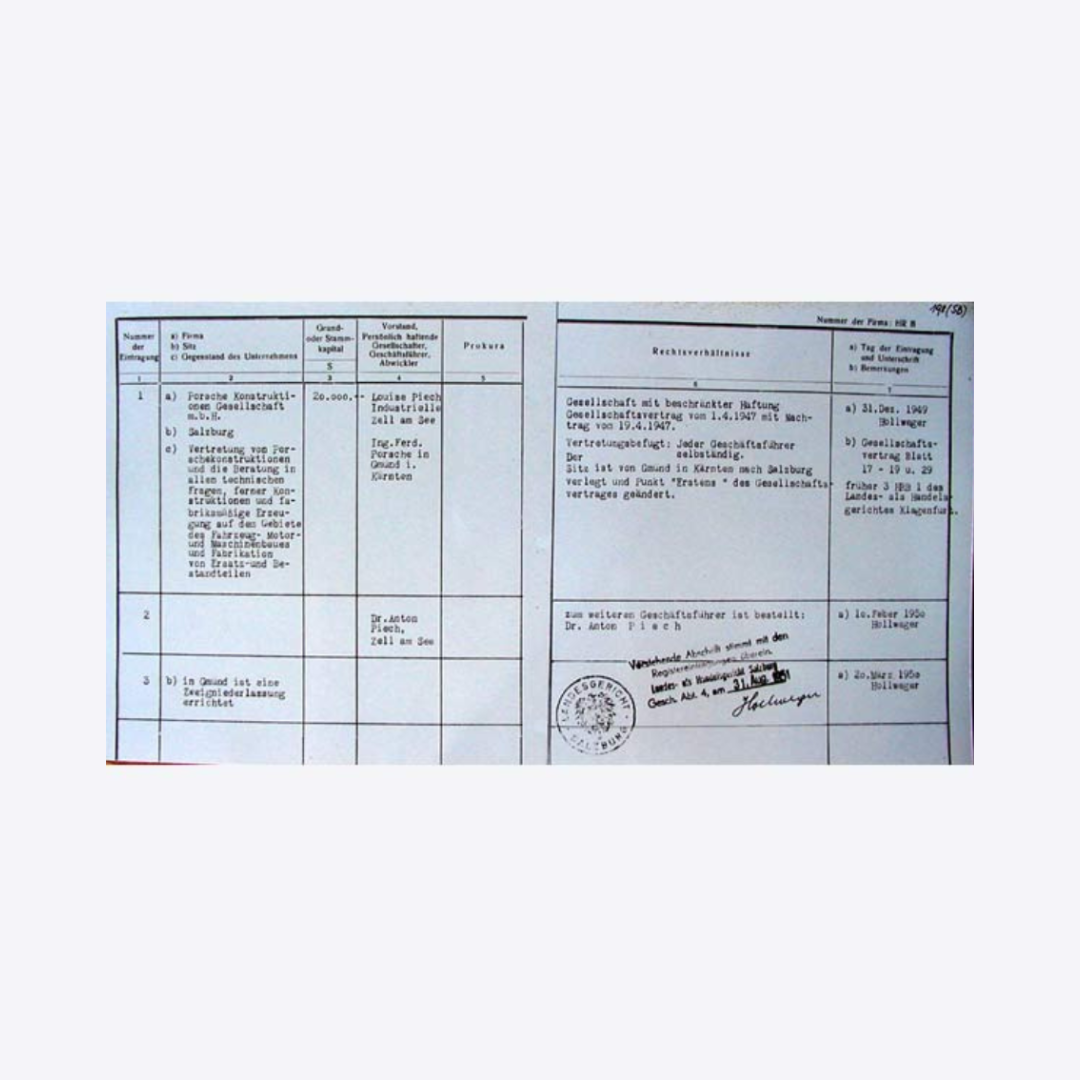
Frații Louise Piëch și Ferry Porsche au înființat compania austriacă Porsche Konstruktionen GesmbH în Gmünd la 1 aprilie 1947, fiind ei înșiși directori. Tatăl lor a fost încă deținut în Franța în această perioadă. La scurt timp după aceea, compania cu sediul în Austria este însărcinată de industriașul italian Piero Dusio să construiască o mașină de curse cu tracțiune integrală de Formula 1. Din motive financiare, "Cisitalia" nu a participat niciodată la o cursă, cu toate acestea, veniturile din acest contract au fost suficiente pentru ca Louise Piëch și Ferry Porsche să plătească cauțiune pentru tatăl lor reținut și să-i asigure întoarcerea acasă.
)
1948
Decizii revoluționare pentru Porsche și Volkswagen
Primul Porsche: Ferry Porsche și-a îndeplinit un vis îndelung prețuit în 1948 în Valea Maltei din Carintia, când a dezvoltat prima mașină sport care purta numele Porsche. S-a bazat pe VW Beetle. Vehiculul prezentat sub numărul de design 356 a stabilit reputația mărcii Porsche, care mai târziu a devenit legendară. Vehiculul nr. 1 folosea încă un motor montat la mijloc, în timp ce coupé-urile ulterioare construite manual în Gmünd aveau deja un motor spate. Aproximativ o duzină de Porsche 356 cabriolets au fost construite în atelierele din Salzburg de pe Alpenstraße.
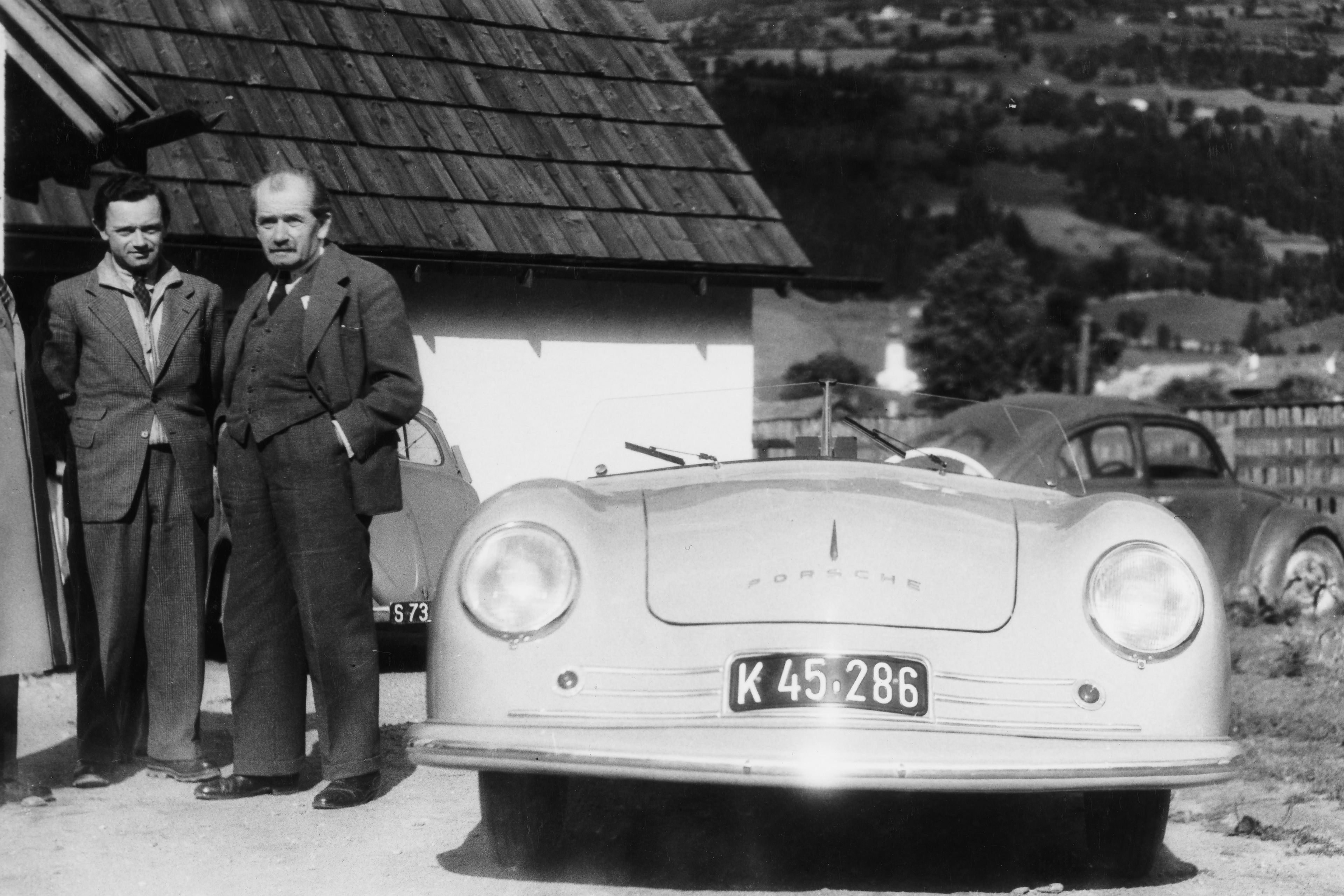
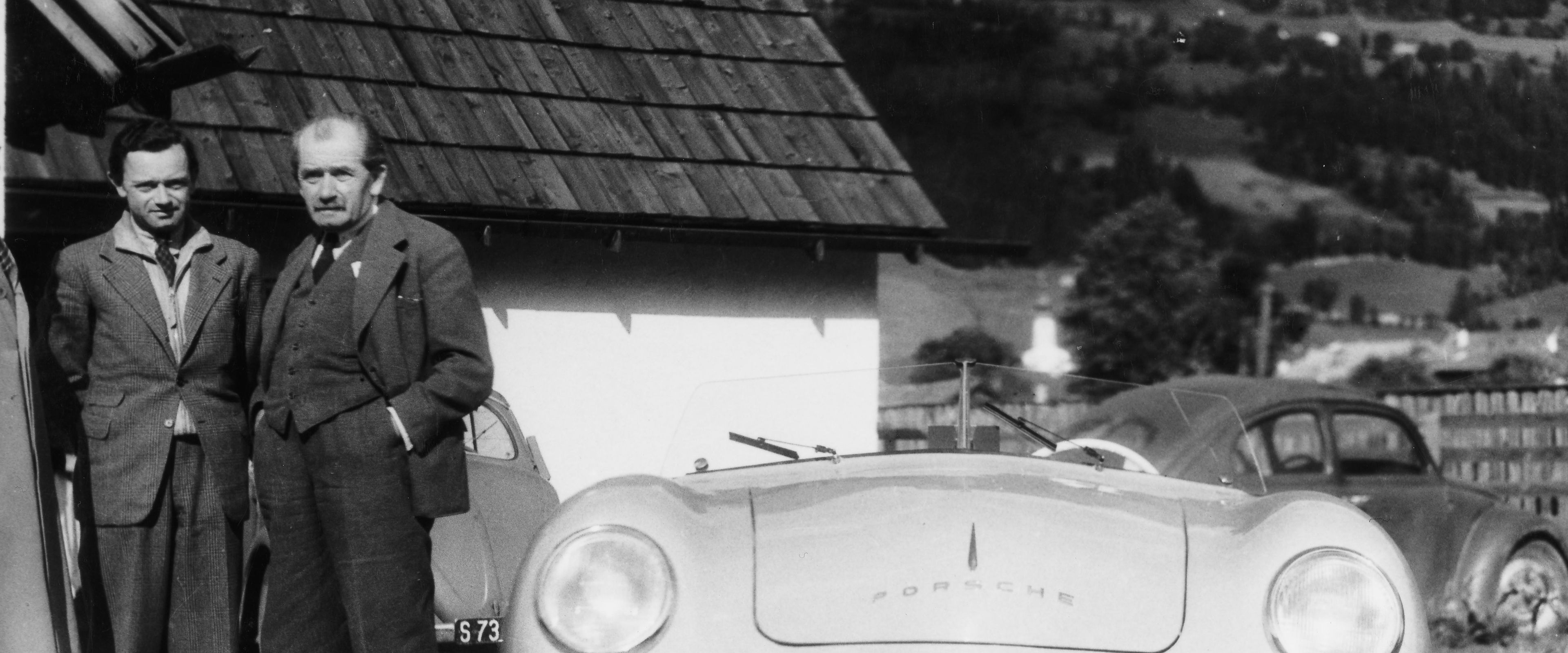
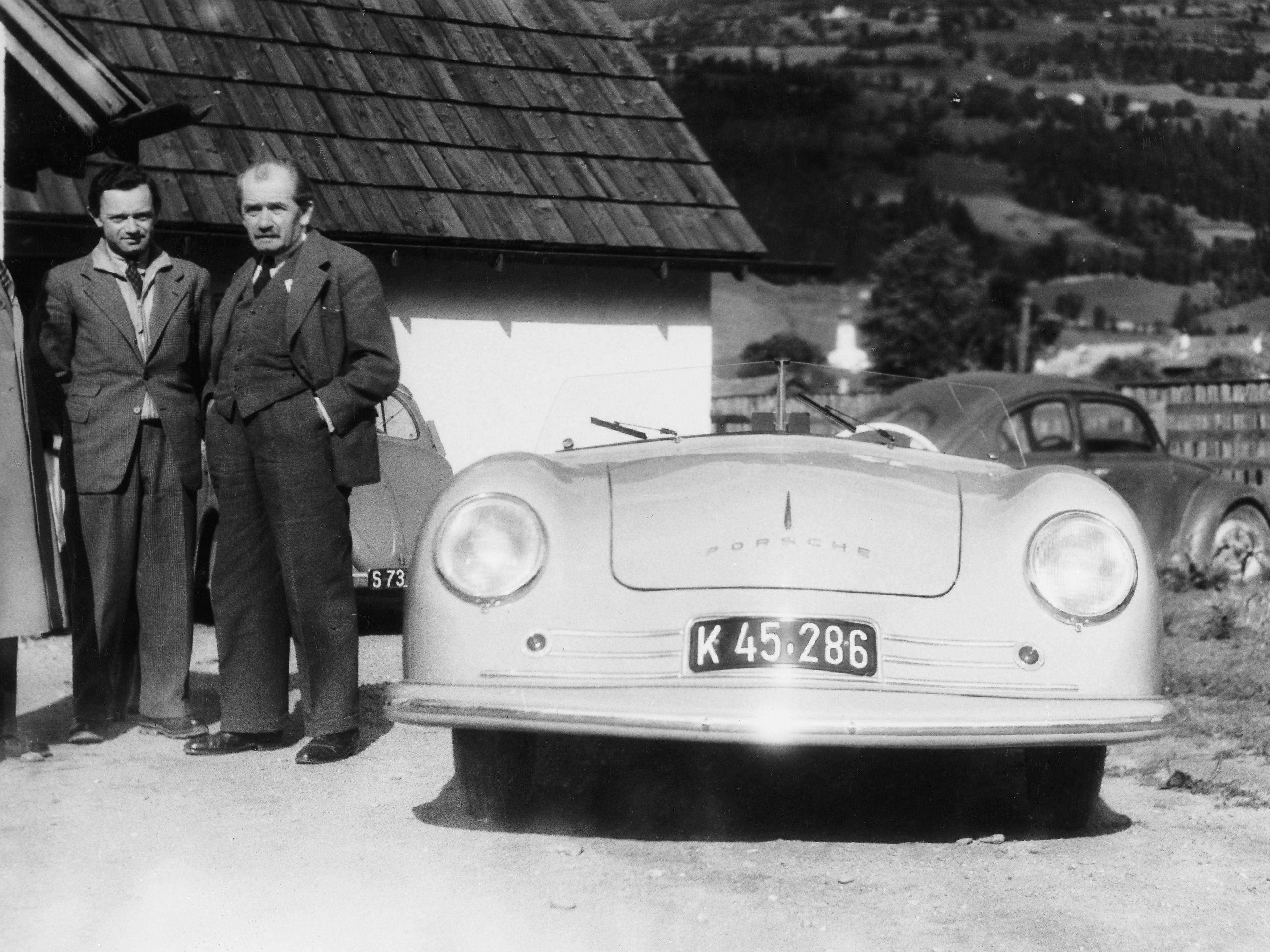
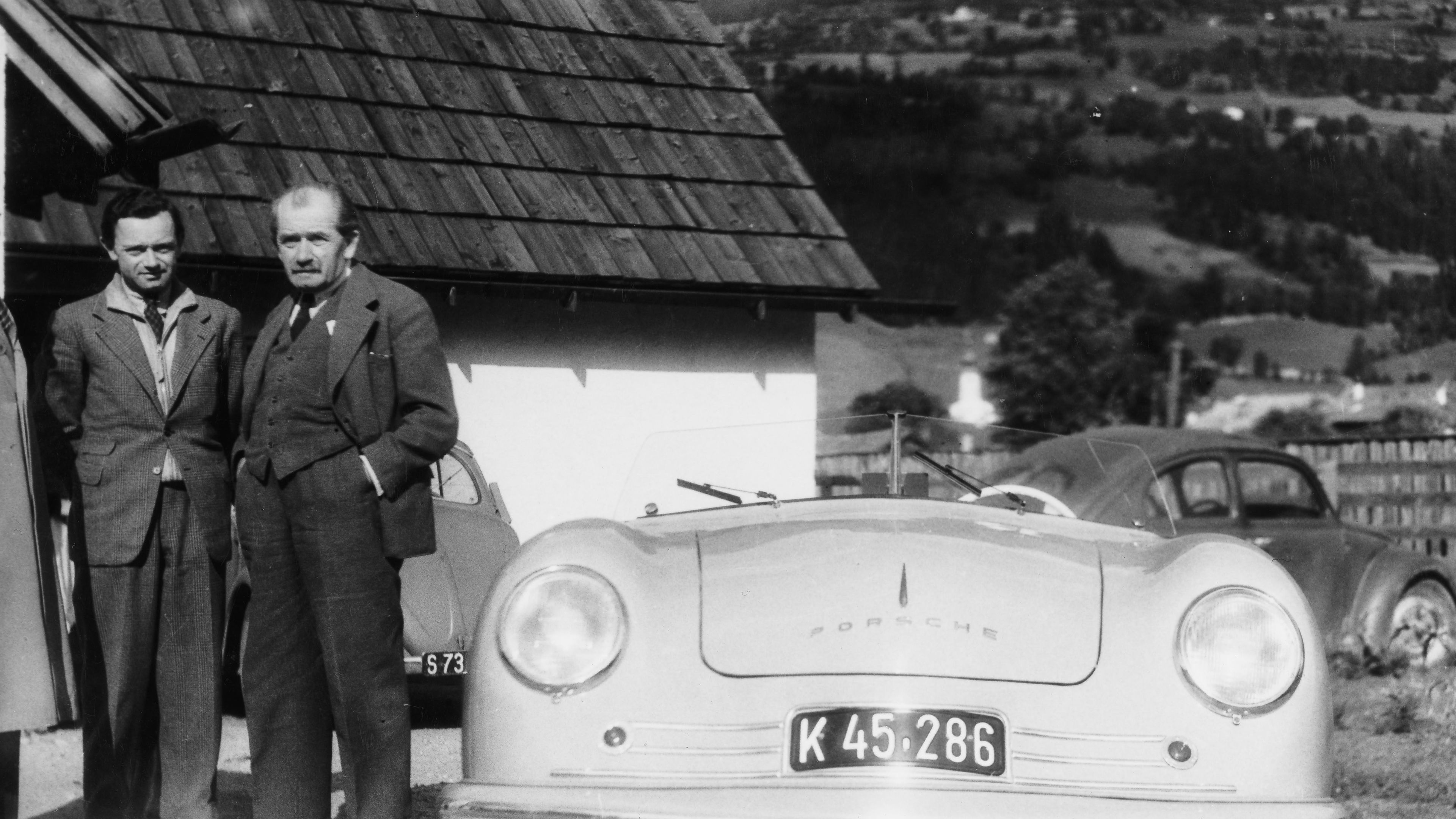
Cea mai importantă decizie din istoria companiei a fost luată la 1.000 km mai la nord, când Aliații au decis să înceapă să producă Volkswagen la fabrica Volkswagen nou reconstruită. Inginerii Porsche au fost foarte solicitați pentru a sprijini start-up-ul. În același timp, Ferry Porsche intra în negocieri contractuale cu noul director general al Volkswagen, Heinrich Nordhoff. Cele mai importante părți ale contractului au fost taxele de licență pentru fiecare Beetle fabricat, aprobarea de a construi o mașină sport bazată pe Beetle (Porsche 356) și vânzările prin ceea ce avea să fie mai târziu rețeaua mondială VW, acorduri pentru serviciile tehnice ale companiei de design Porsche și, în cele din urmă, autorizația de a acționa ca importator general Volkswagen în Austria. Acest contract amplu a fost semnat la Bad Reichenhall de Ferdinand Porsche, Ferry Porsche, Louise Piëch și Anton Piëch și de directorul general al VW, Heinrich Nordhoff. Designul tatălui Ferdinand Porsche al VW Beetle a devenit astfel baza marelui succes de care Porsche s-a bucurat mai târziu la Salzburg și la Stuttgart. La 7 septembrie 1948 a fost eliberată o licență comercială pentru "comerțul cu vehicule comerciale și piese, limitat la produsele fabricate la fabrica de motoare din Wolfsburg (mai târziu fabrica Volkswagen)" în numele inginerului Ferdinand Porsche, de către administrația districtuală din Spittal an der Drau.
1949
Afacerea auto începe cu adevărat în Salzburg
În 1949, frații Louise Piëch și Ferry Porsche au mutat sediul Porsche Konstruktionen GesmbH din Gmünd la Alpenstraße din Salzburg. În timp ce Louise și soțul ei Anton Piëch (ea se căsătorise cu avocatul în 1928) se aflau la Salzburg pentru a continua dezvoltarea importurilor Volkswagen în Austria, Ferry Porsche s-a întors la Stuttgart. Aici a pus bazele producției de mașini sport în 1950 și, prin urmare, pentru Porsche AG de astăzi. Cele două companii Porsche din Stuttgart și Salzburg au rămas întotdeauna sub proprietatea comună a fraților Louise și Ferry și au împărtășit rădăcini comune înainte de a deveni companii independente.
1950
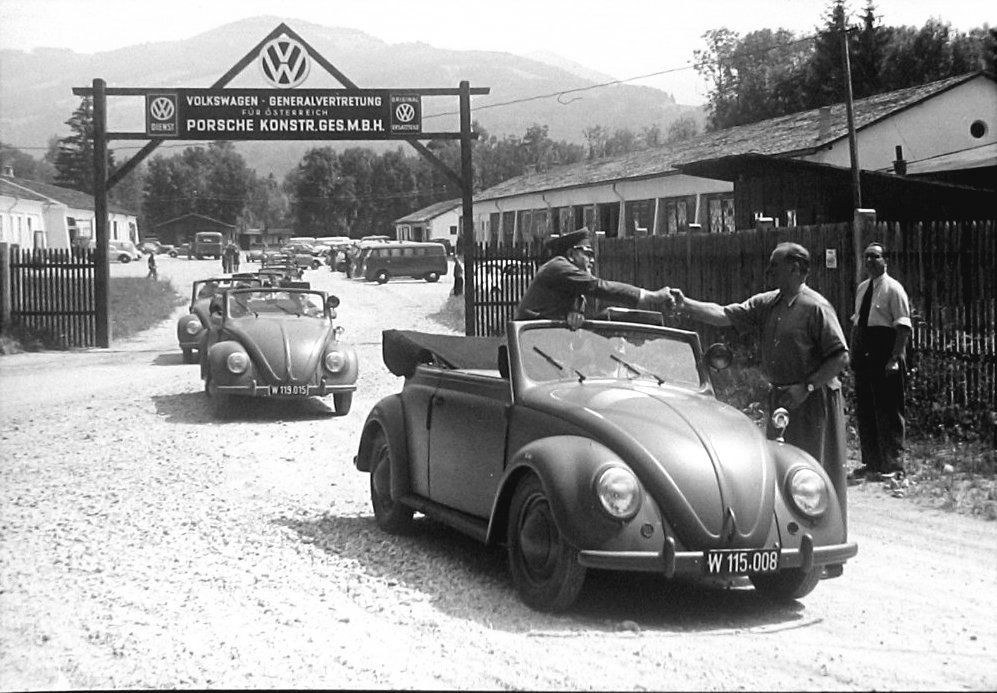
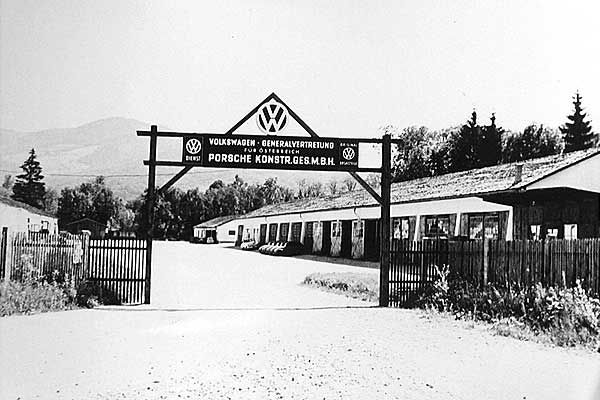
Starting as Volkswagen importer in Salzburg
In May of 1949 the import business in Salzburg finally got under way with the first 14 VW Beetles. Starting in 1950, Anton Piëch formally became managing director of Porsche Konstruktionen GesmbH, which that same year optimised customer supply through the construction of a central parts warehouse. This proved an important step in company strategy of transforming itself from solely an import business into a large service provider.
1951
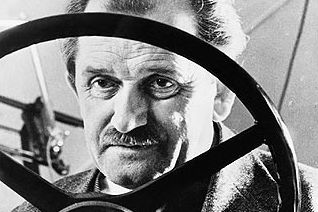
Farewell to Ferdinand Porsche
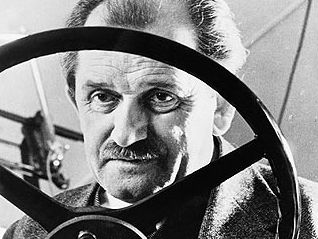
Ferdinand Porsche did not live to see the start-up phase of the new family companies. The professor passed away in Stuttgart on 30 January 1951 at the age of 75.
1952
Louise Piëch takes over following a second stroke of fate
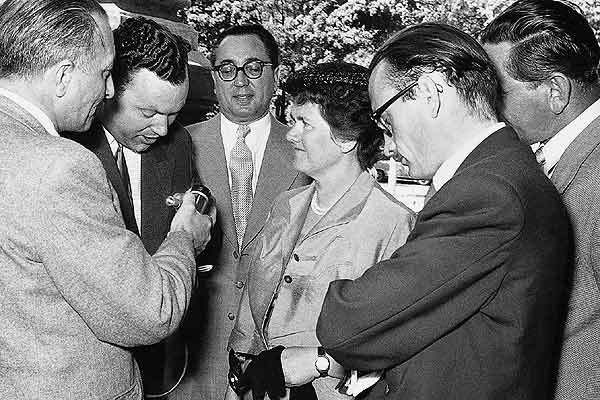
One year after the death of their father, the family was hit by the next stroke of fate. Anton Piëch also died unexpectedly in 1952. This is why Louise Piëch took over the helm at the still young Salzburg-based company that same year. At the time it had 71 employees and three locations – the site at Alpenstraße, the branch office in Gmünd and the premises in Zell am See. The mother of four shaped Porsche Salzburg for the long term through her inimitable elan and strong leadership, guiding the growing company with great prudence and business acumen.
1953
Sales figures skyrocket
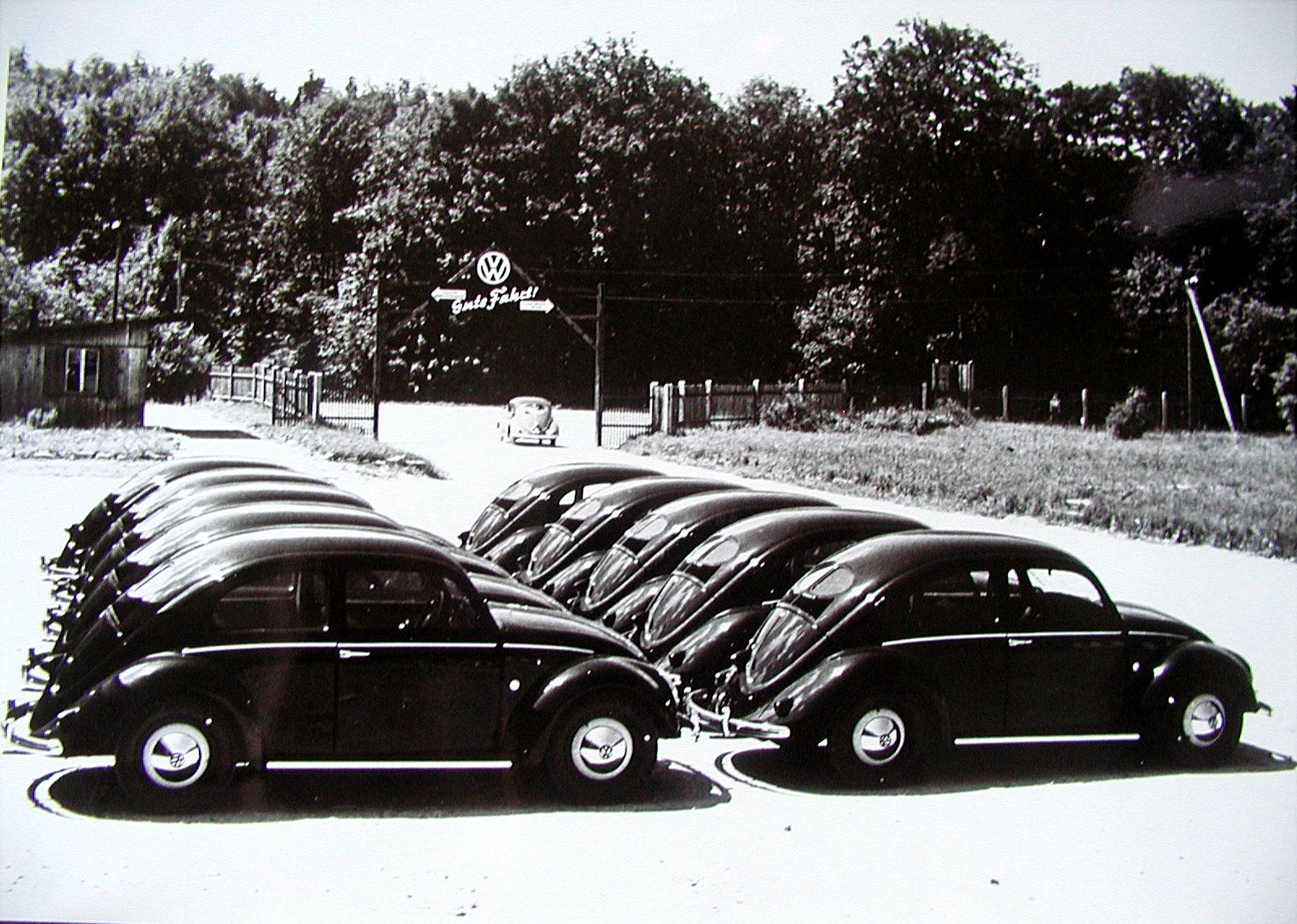
With the liberalisation of vehicle imports starting in the autumn of 1953, which led to rapidly soaring sales of Beetles (from 798 units in 1952 to 2,675 in 1953), the company’s great boom began. Louise Piëch succeeded in establishing an Austria-wide VolkswagenW distribution organisation and Porsche sports car dealerships and within just one year achieved market leadership for the first time for the Volkswagen brand (with 5,218 cars sold and a market share of 25.1%) – a position the company has not surrendered since 1957.
1950 – 1960
The great boom
With the number of units imported climbing, Porsche also grew as a whole. The retail division, for instance – later Porsche Inter Auto (PIA) – first took shape in the early 1950s and became increasingly more defined during the 1960s. Alpenstraße in Salzburg had served as the starting point and over the years branch operations sprung up in Wiener Neustadt (managed by Ernst Piëch, engineer, the oldest son of Louise Piëch), Zell am See, Kapfenberg and in many other locations.
1956
Sign of ascent
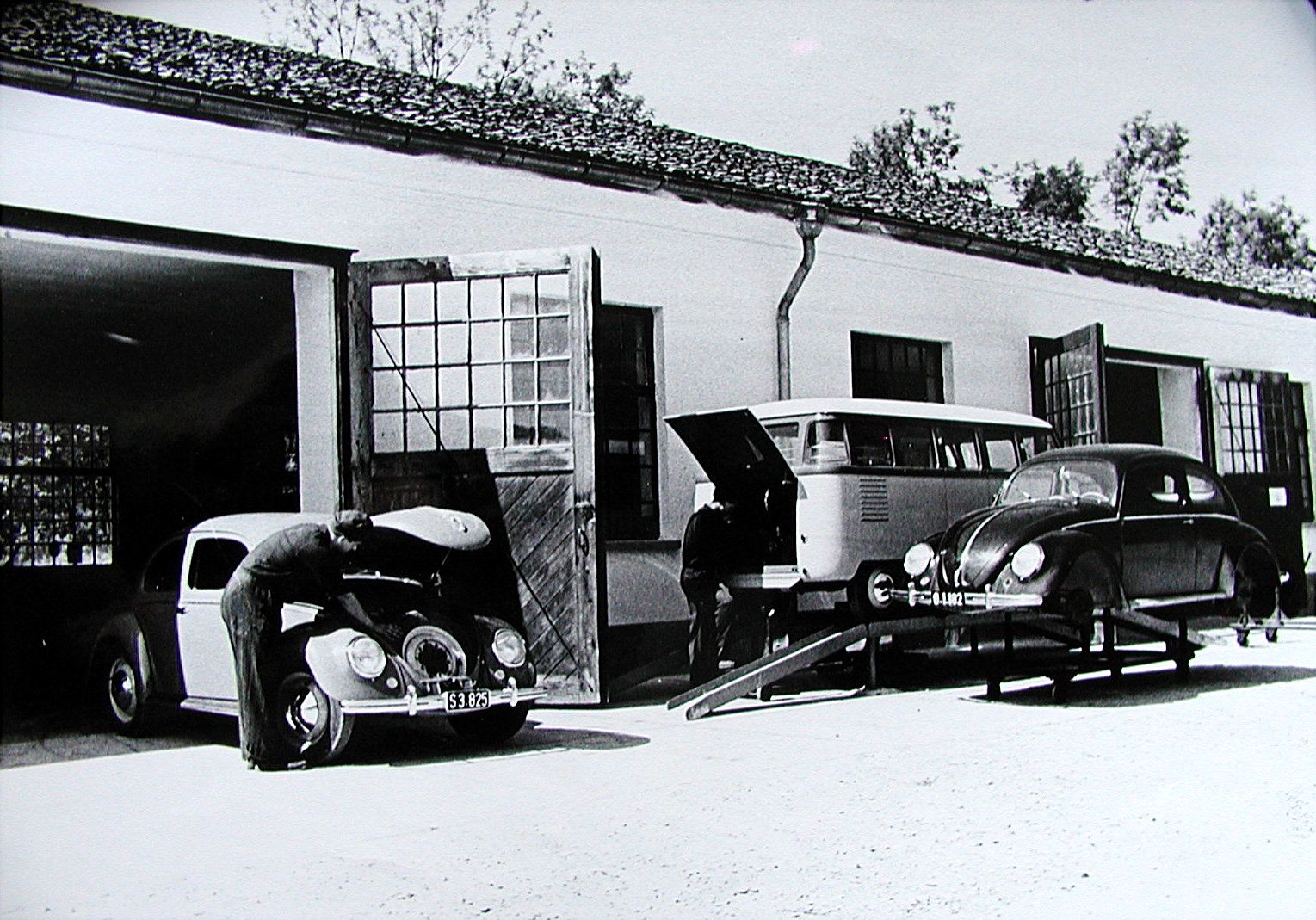
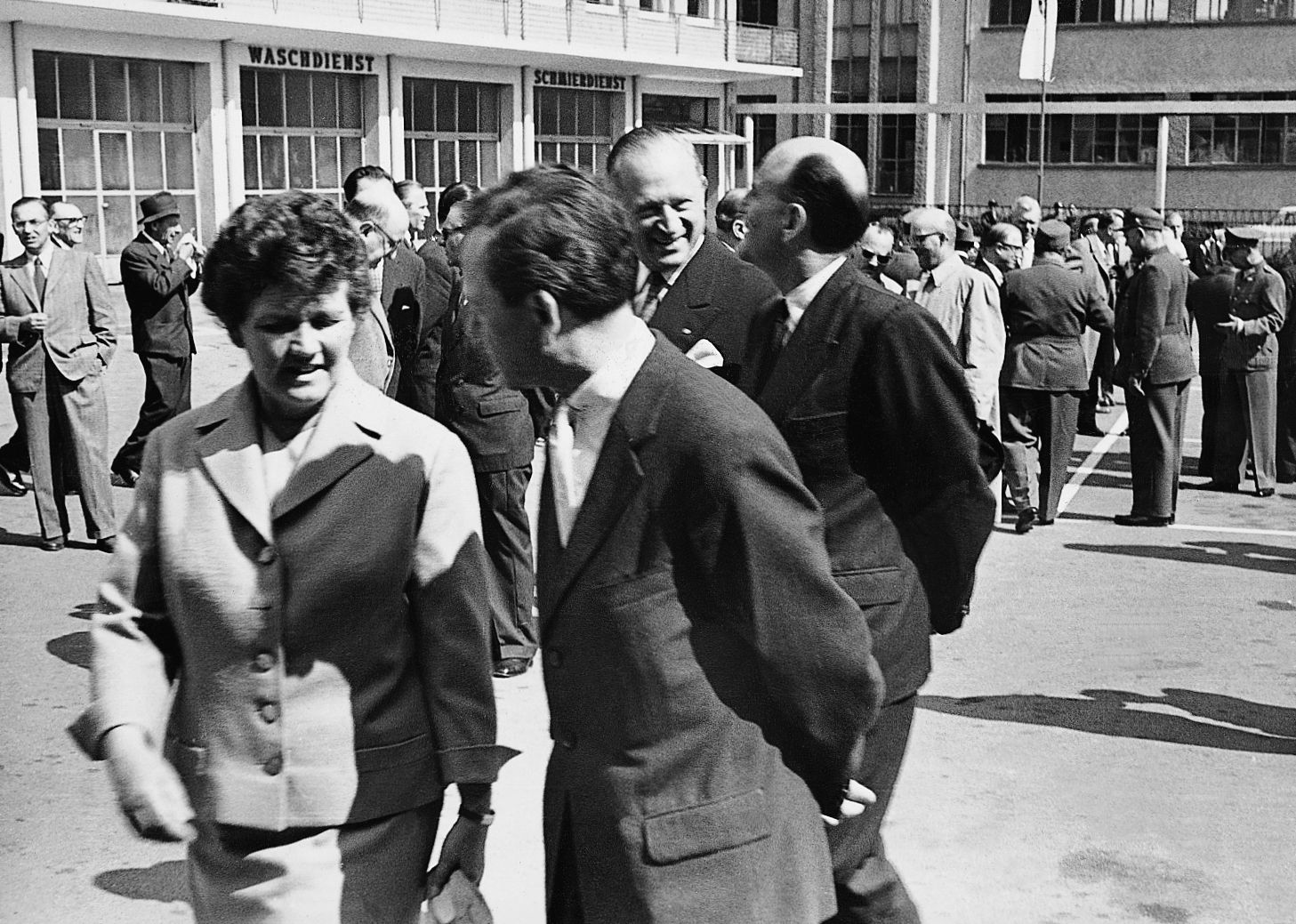
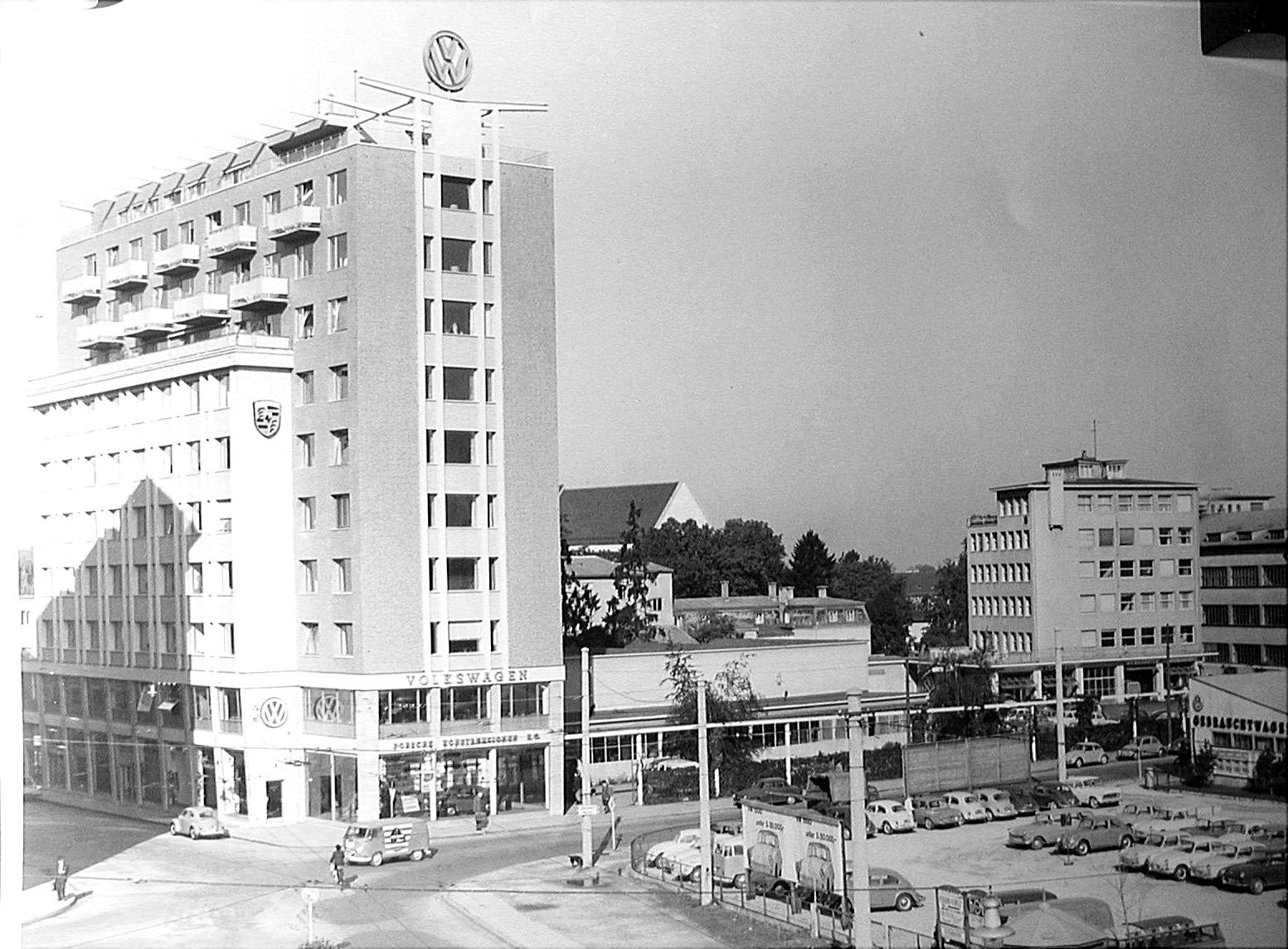
In 1956 the workshop at the railway station alongside the new customer service building were opened, which was dubbed “Porschehof I” and later nicknamed “the blue building”. In 1962 Porschehof II was built at Fanny-von-Lehnert Straße, and with its blue Volkswagen emblem on the roof signalled to all exactly where Volkswagen could be found in Salzburg.
1962
On course for success with new ideas
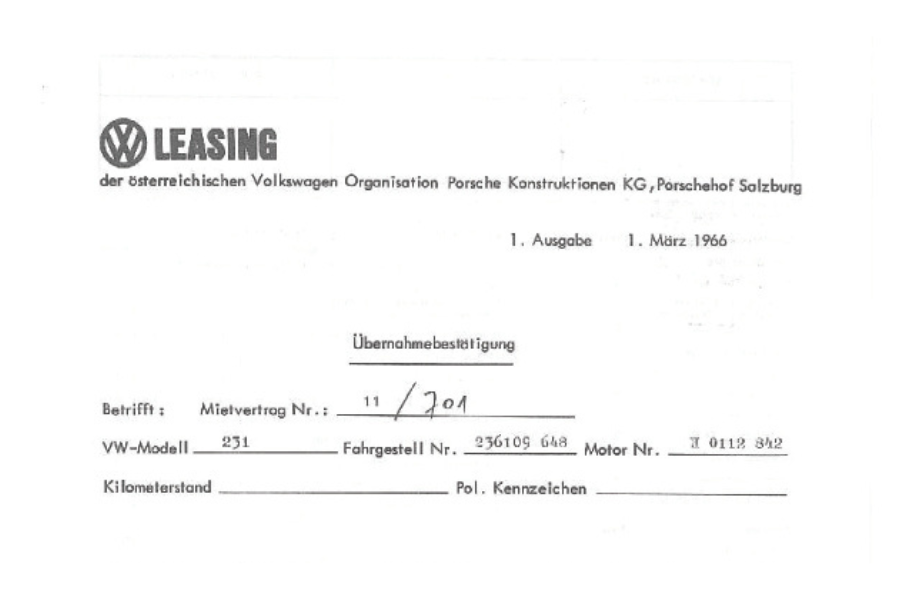
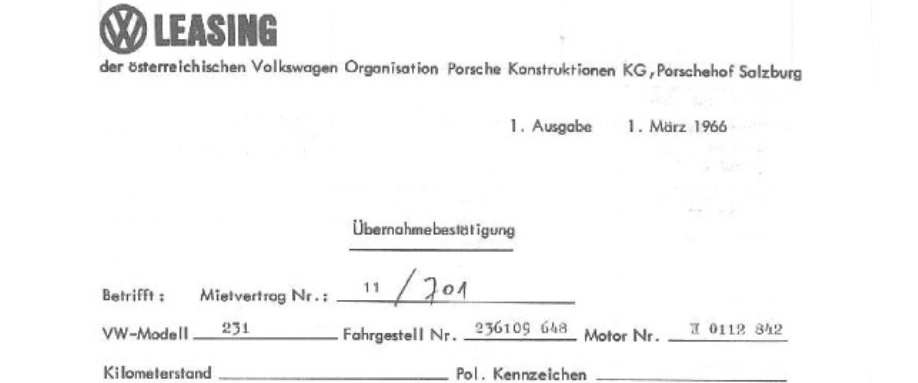
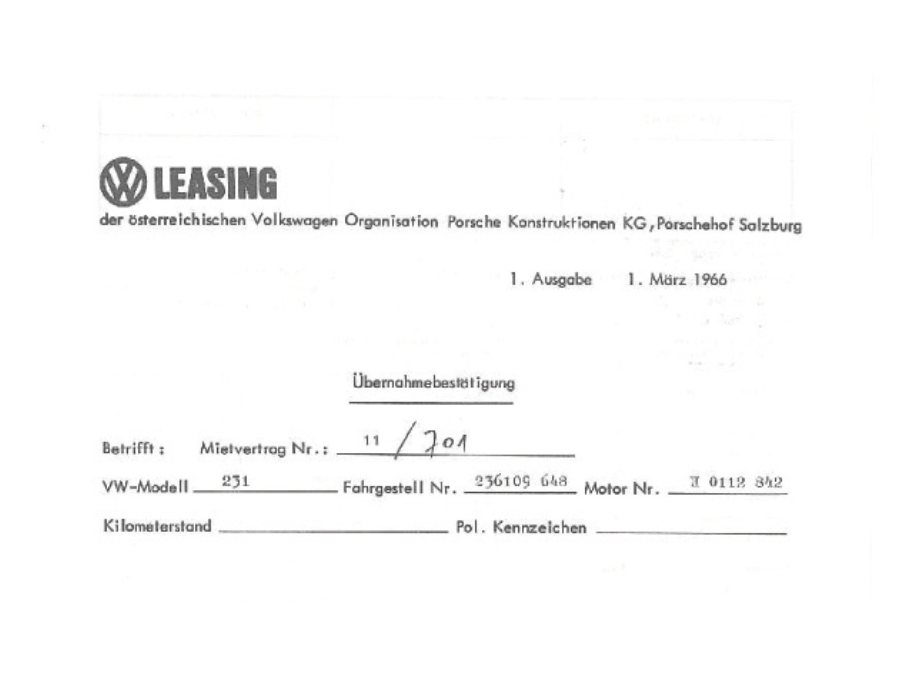
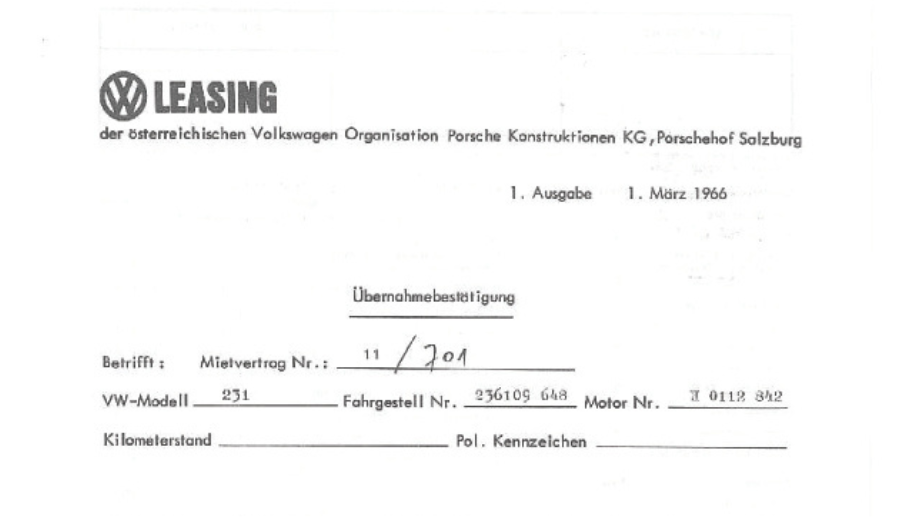
The company lays important foundations for today’s Porsche Holding Salzburg by expanding its range of car-related services. Porsche begins to expedite operations in the service sector at an early stage with the introduction of the rental car service in 1962 and the leasing business in 1966. Creative advertising measures help the VW Beetle set new sales records despite its advanced age.
1965
Motorsport successes and the first Le Mans triumph
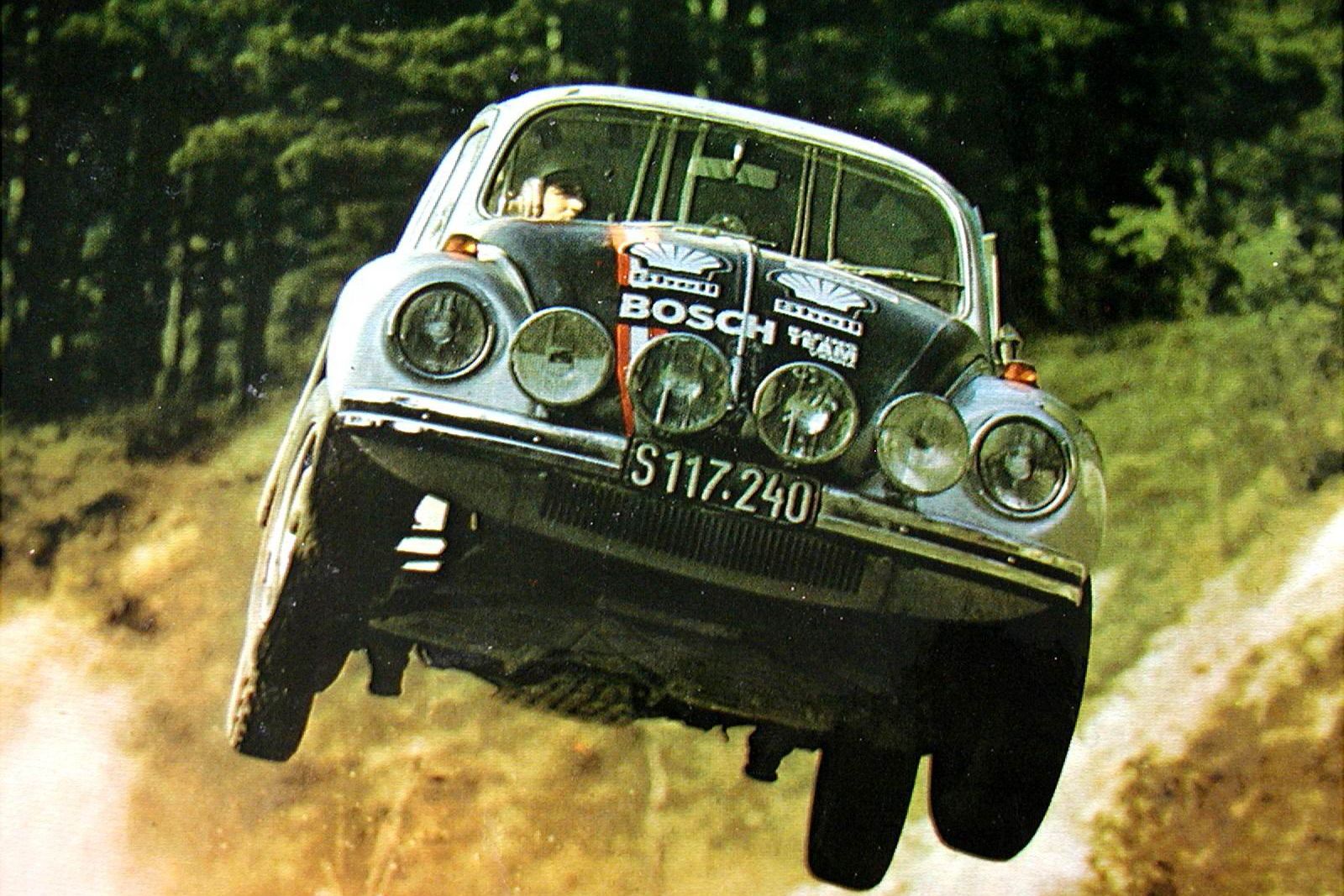
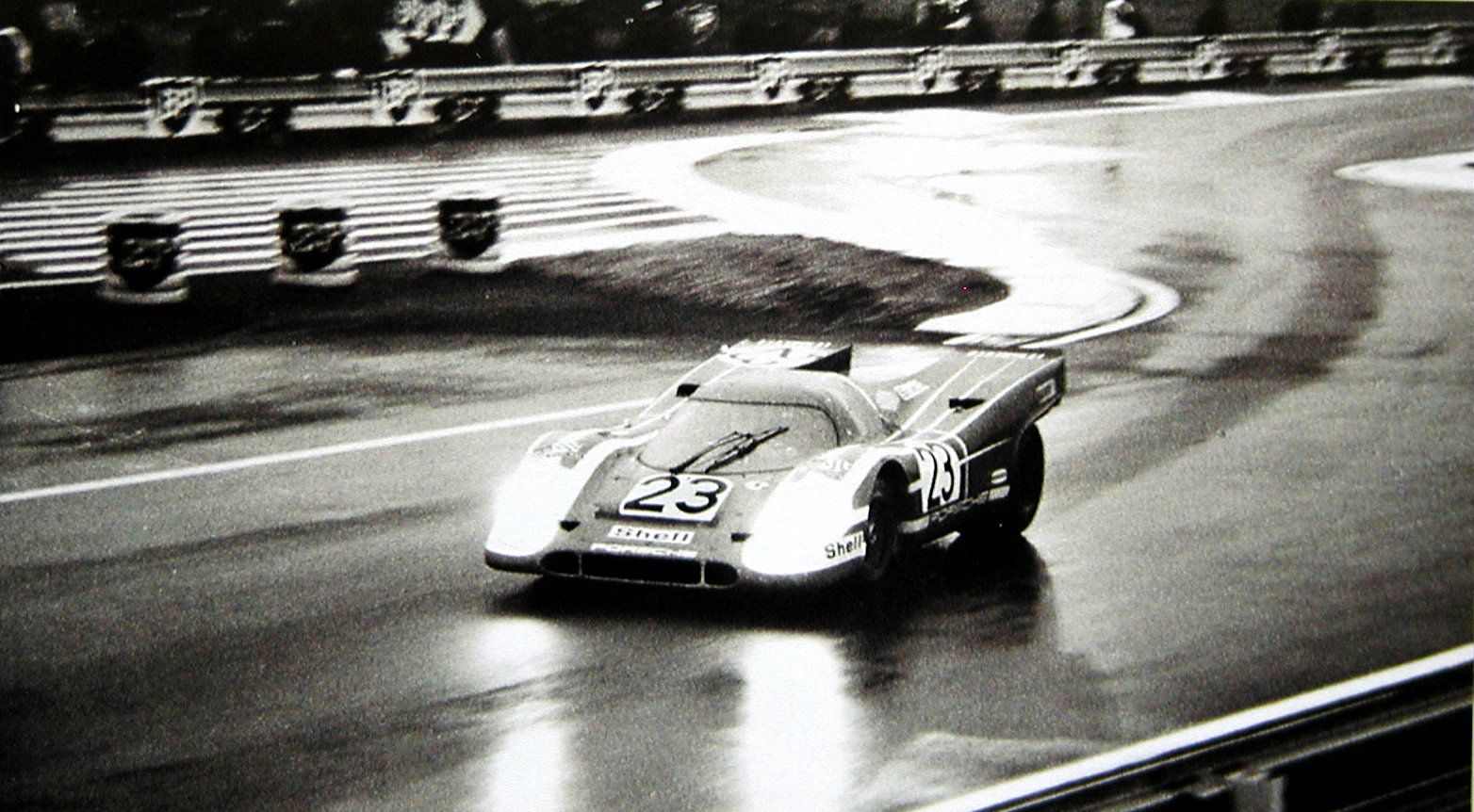
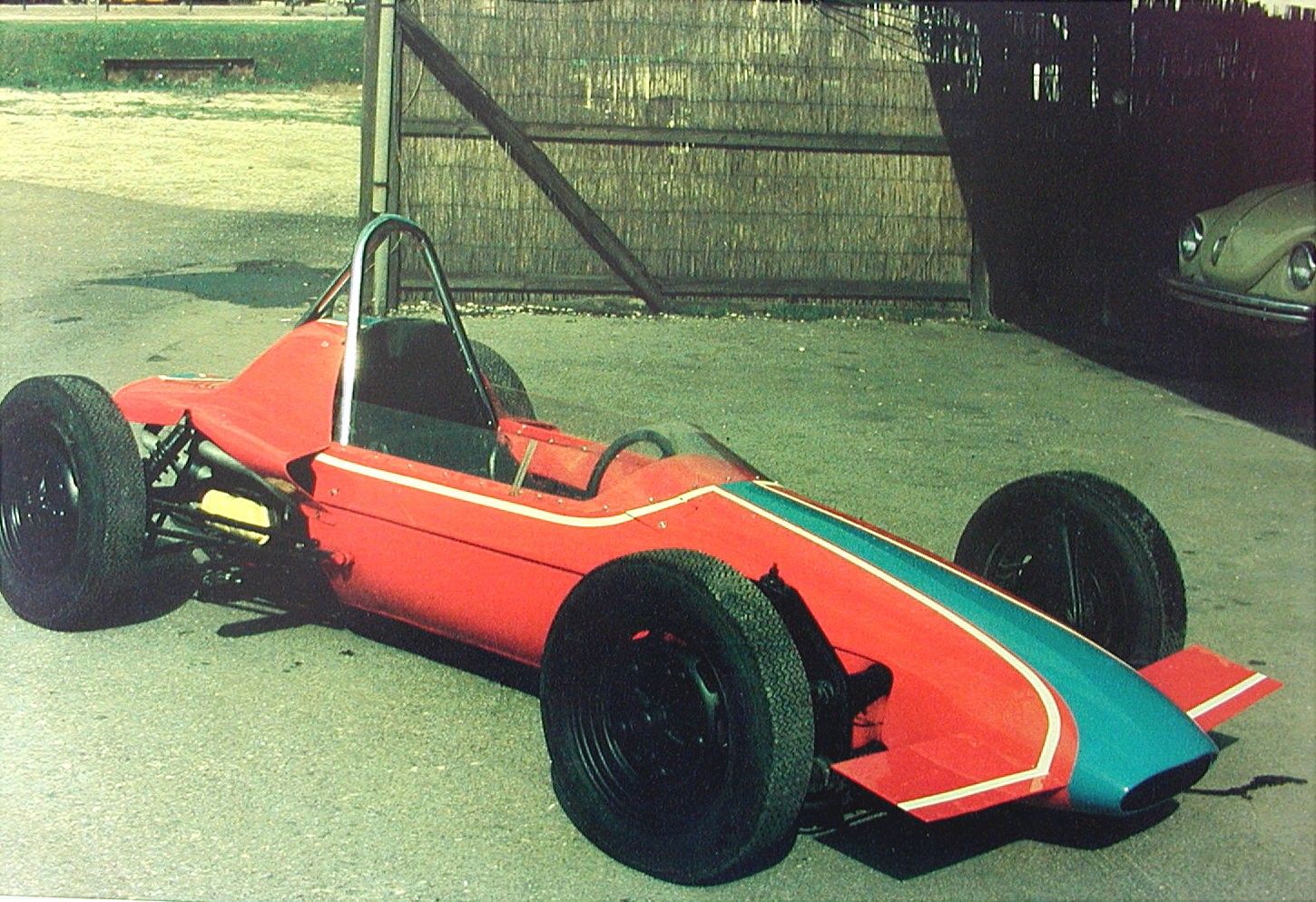
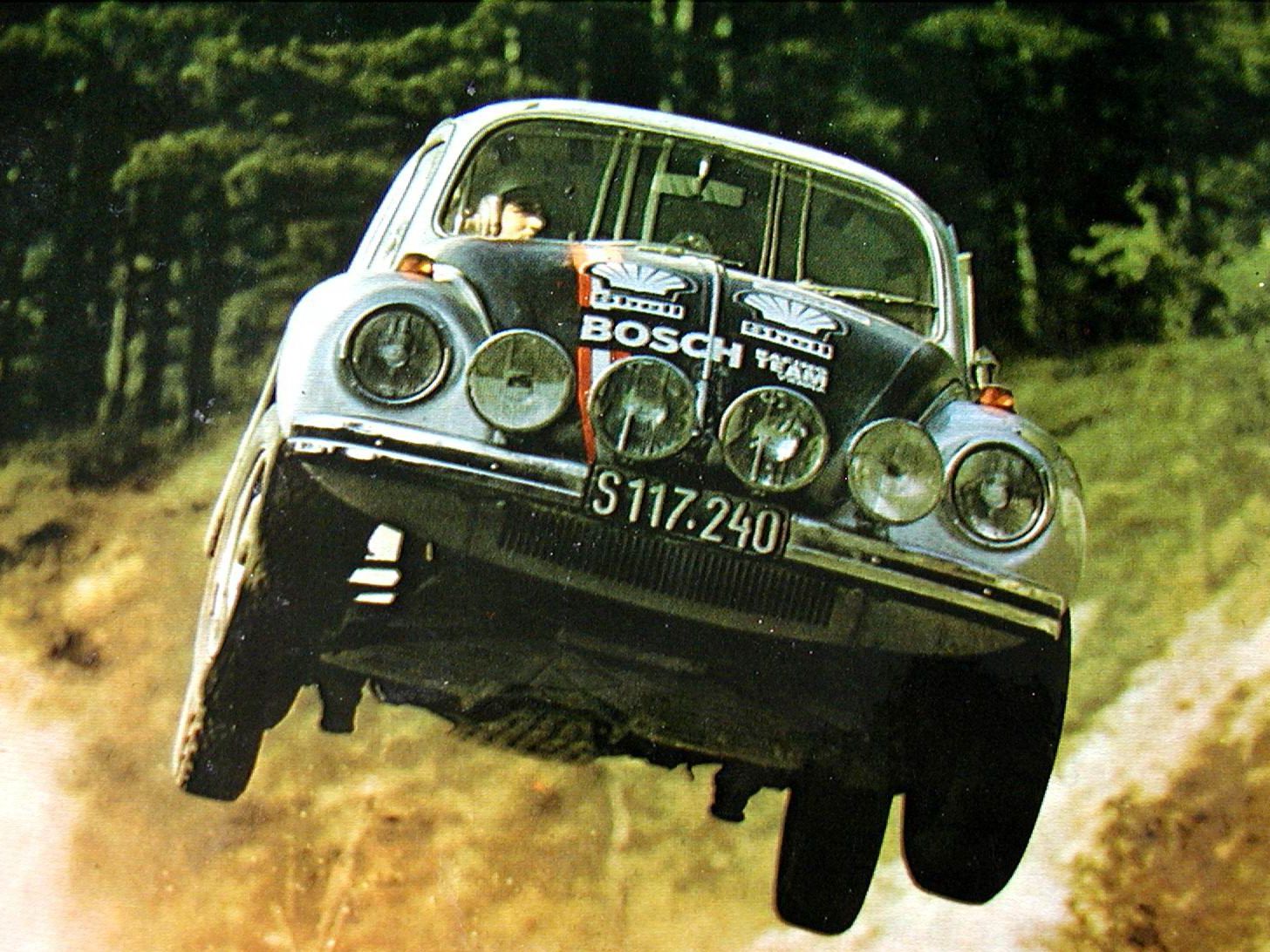
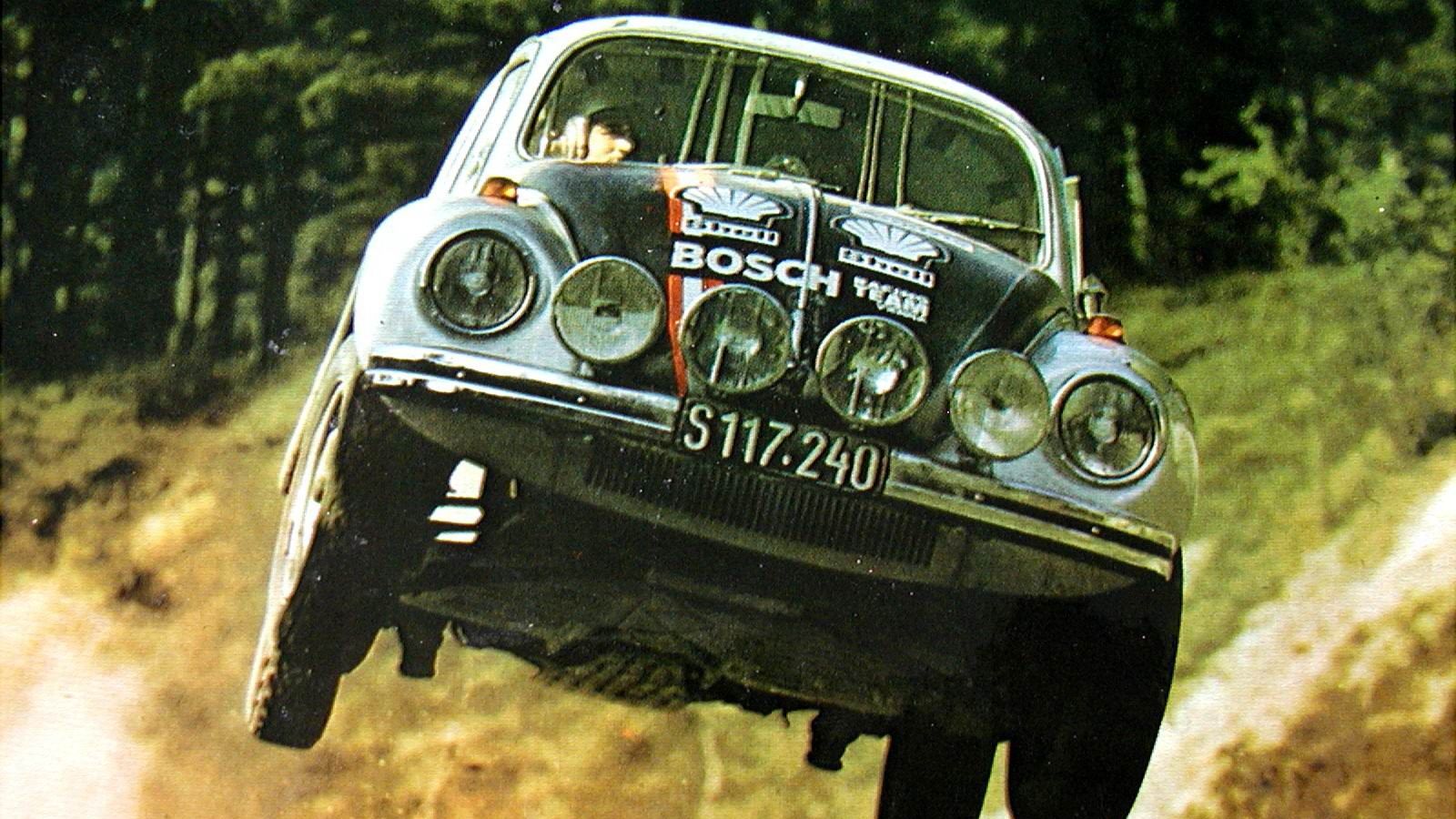
Once Louise Piëch gave the green light for a motorsport department to be established at the Alpenstraße site in 1965, Porsche Salzburg gradually also became a major player on international racetracks. The Formula Vee sports cars caused a furore in the late 1960s with the subsequent Austrian Formula 1 world champion Jochen Rindt and others. Porsche Salzburg came up trumps in 1970 with the Porsche 917 at the legendary 24 Hours of Le Mans, garnering them their first overall Le Mans victory for the Porsche brand, which went on to become the record winner. The Rally Beetle also caused quite a stir at the beginning of the 1970s, including by winning the 1973 Elba Rally.
1966
Groundbreaking for Porsche Informatik
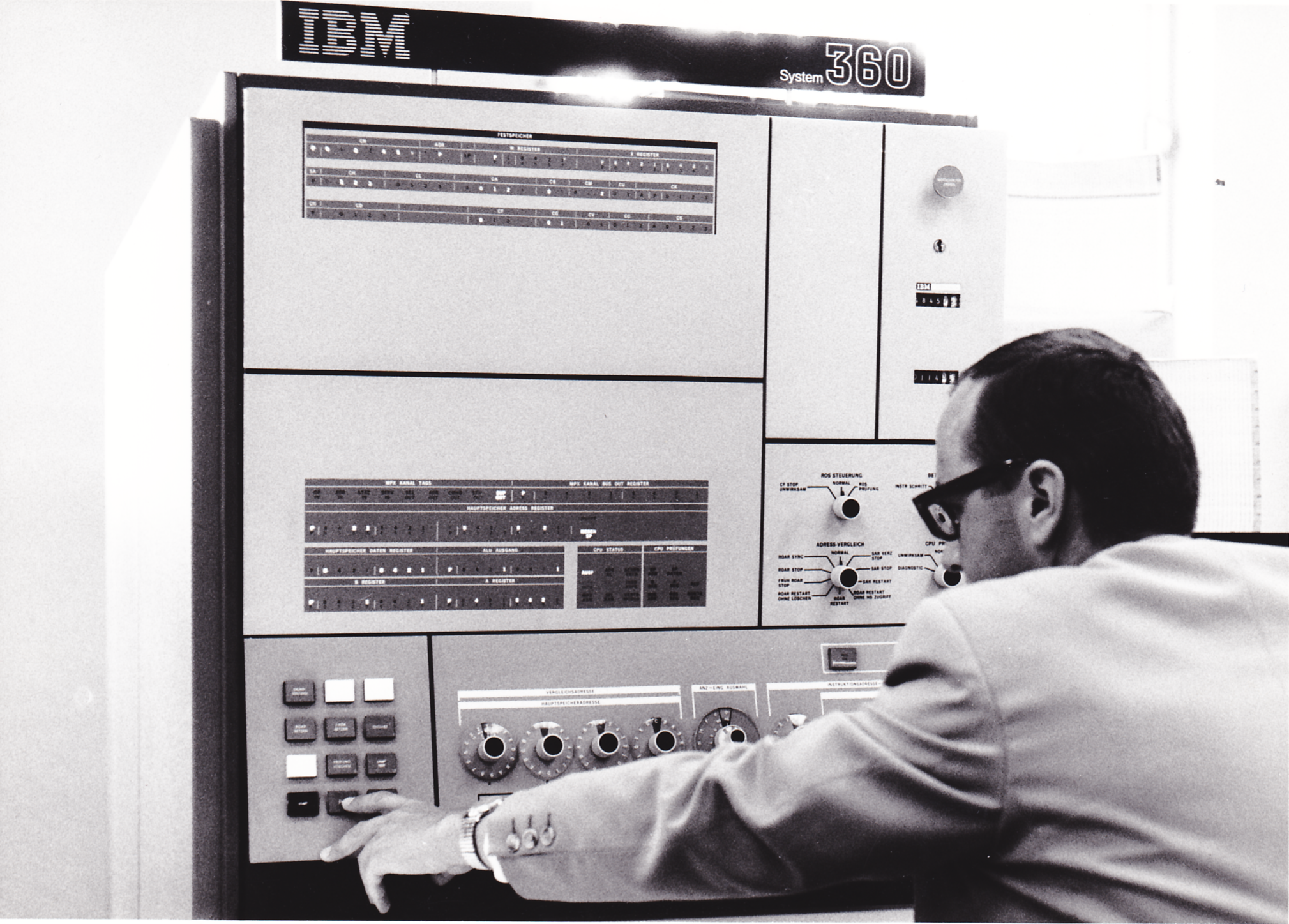
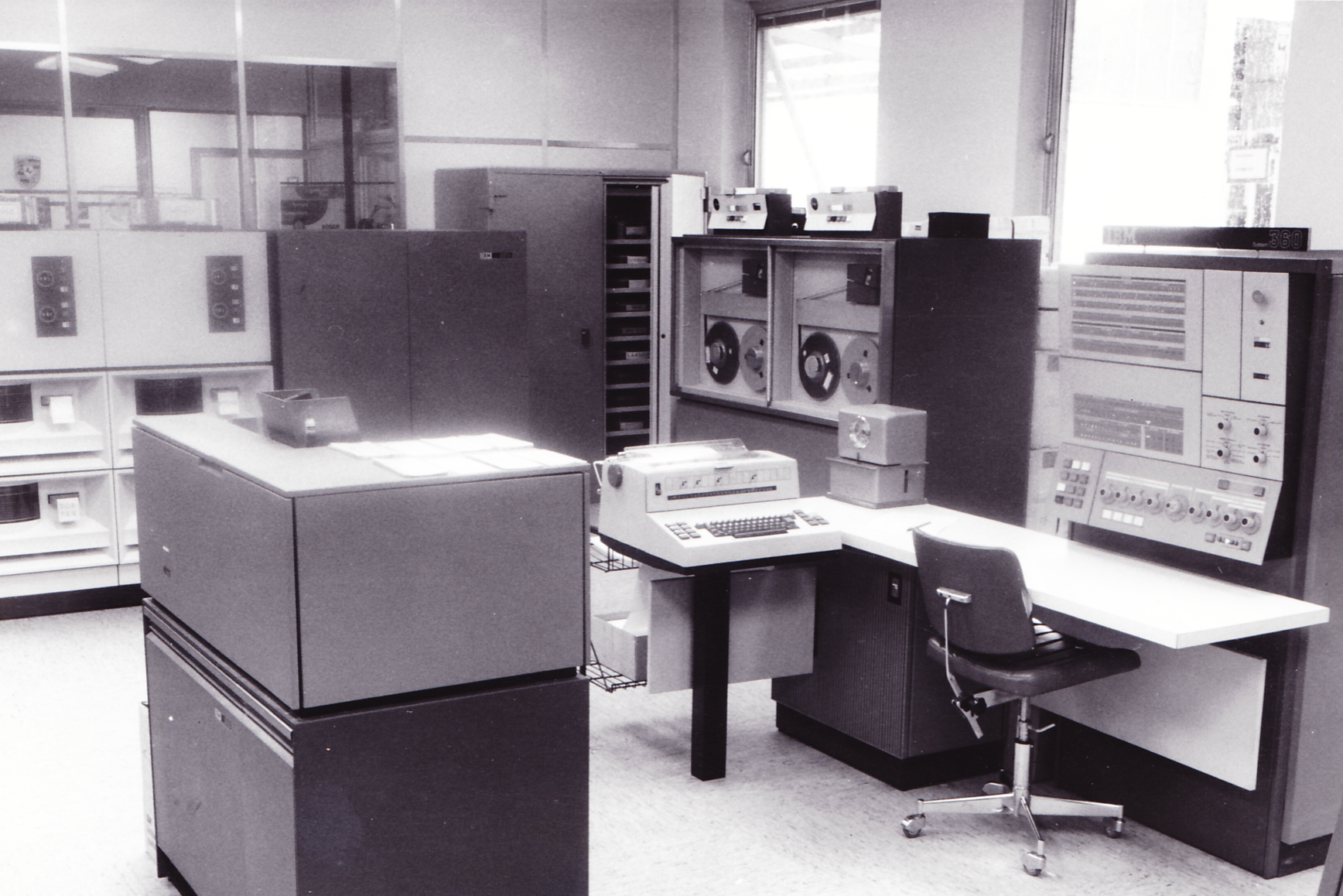
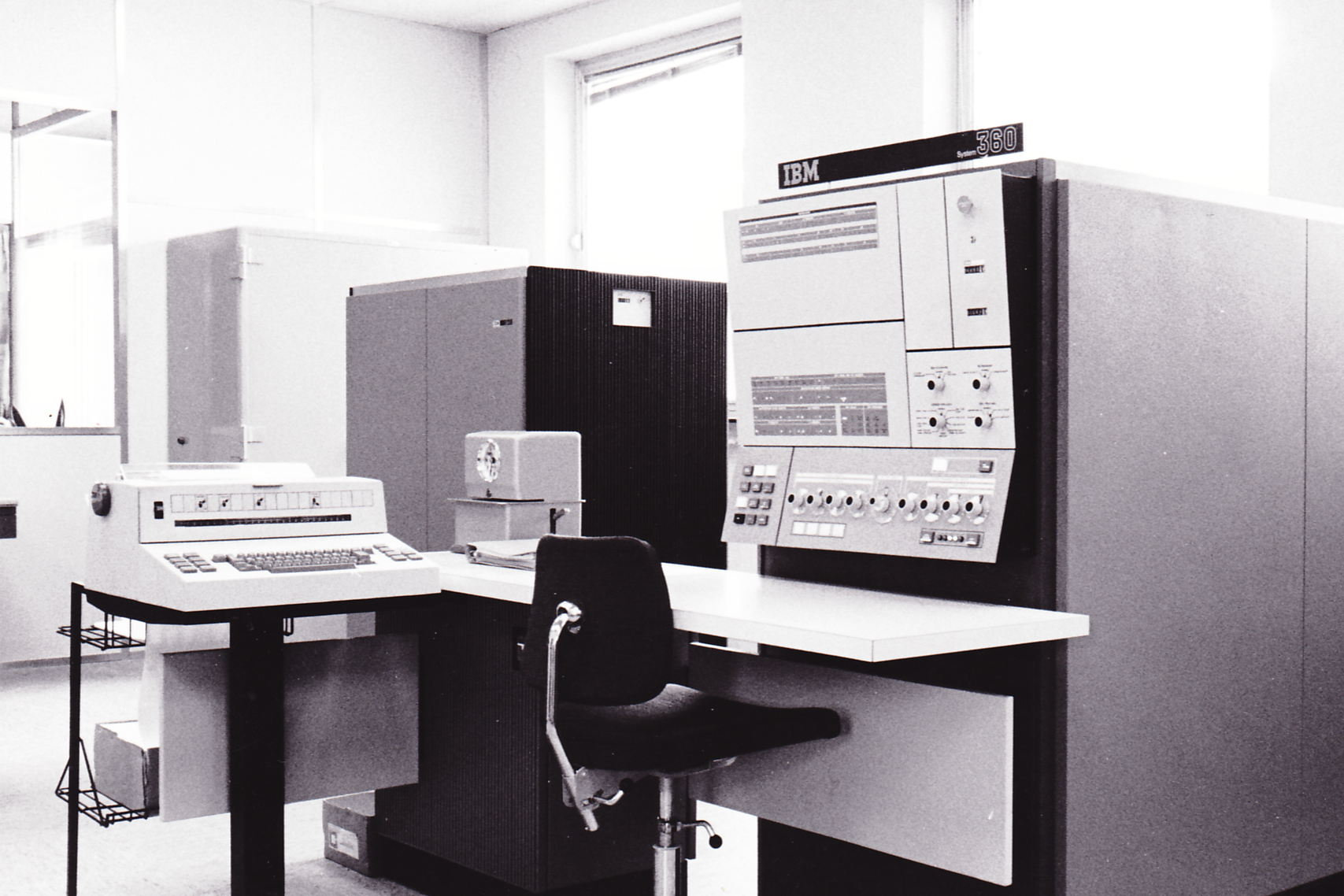
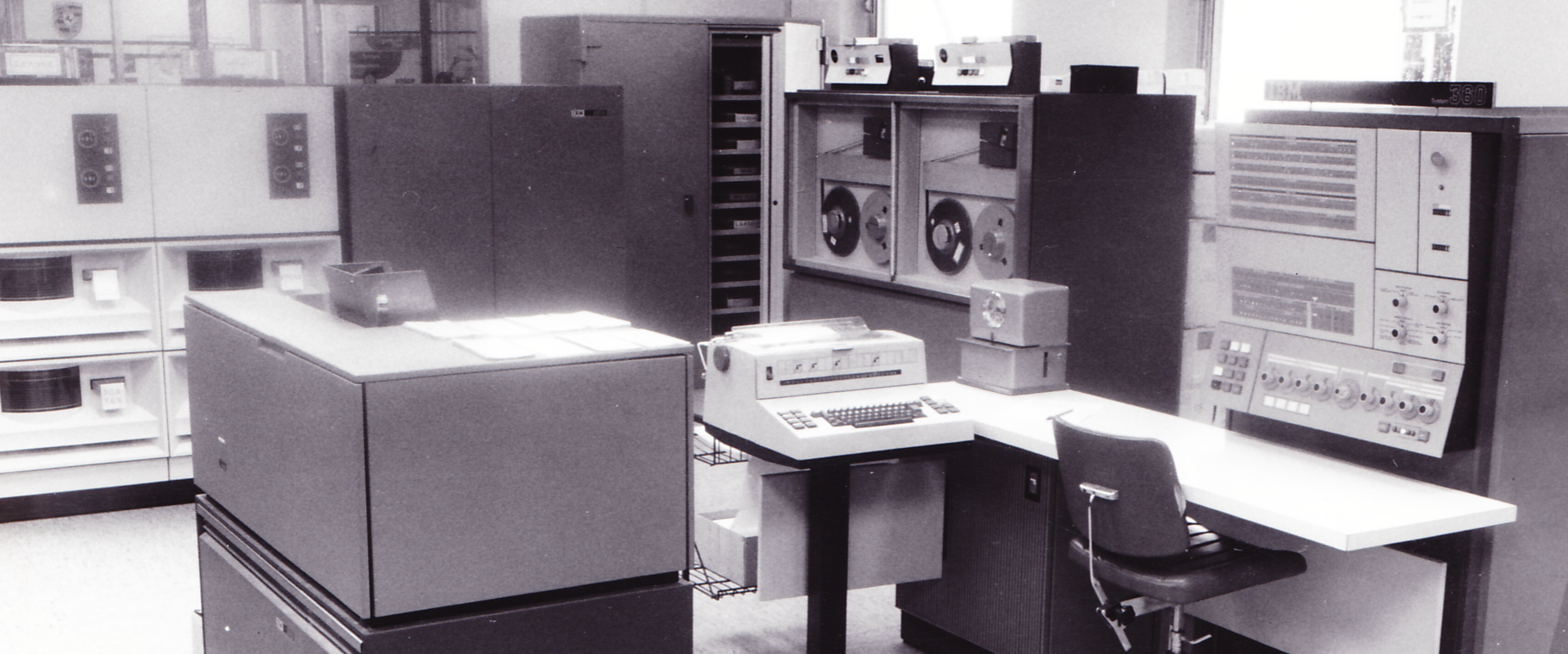
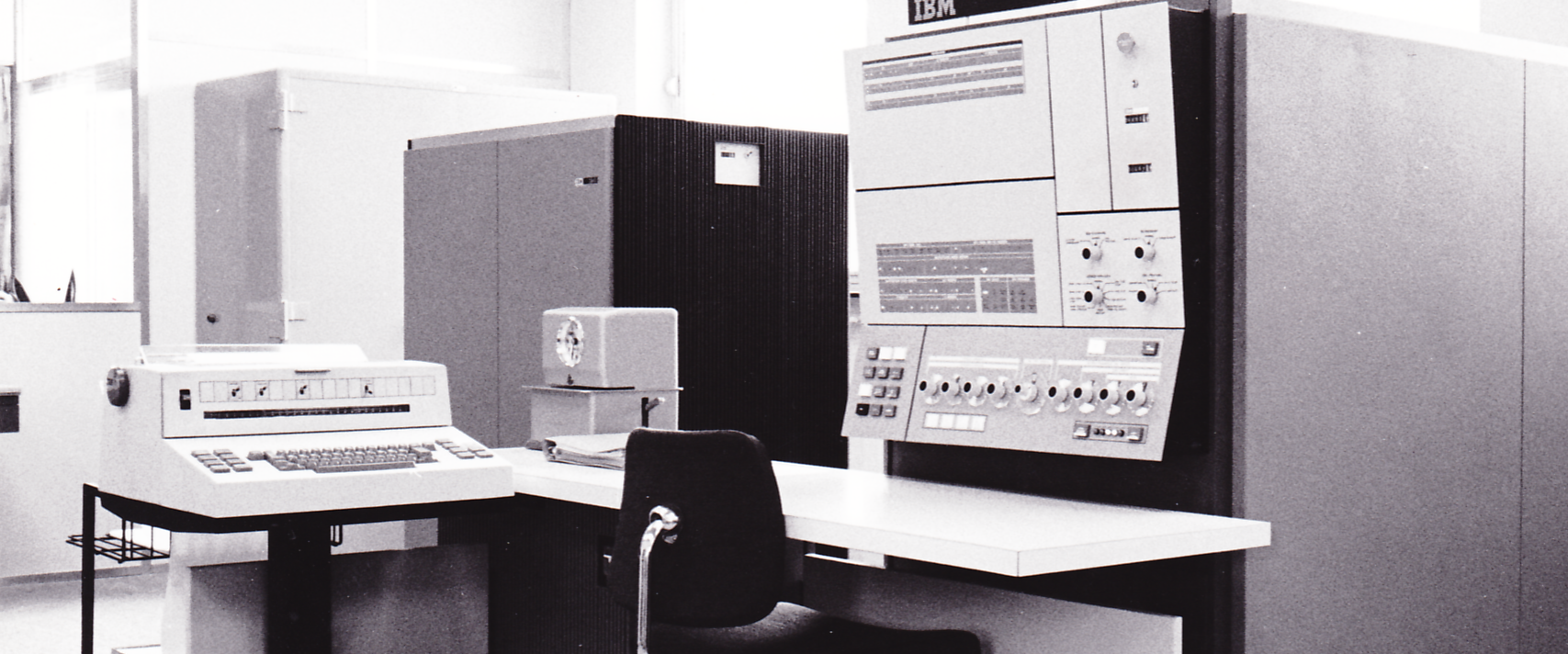
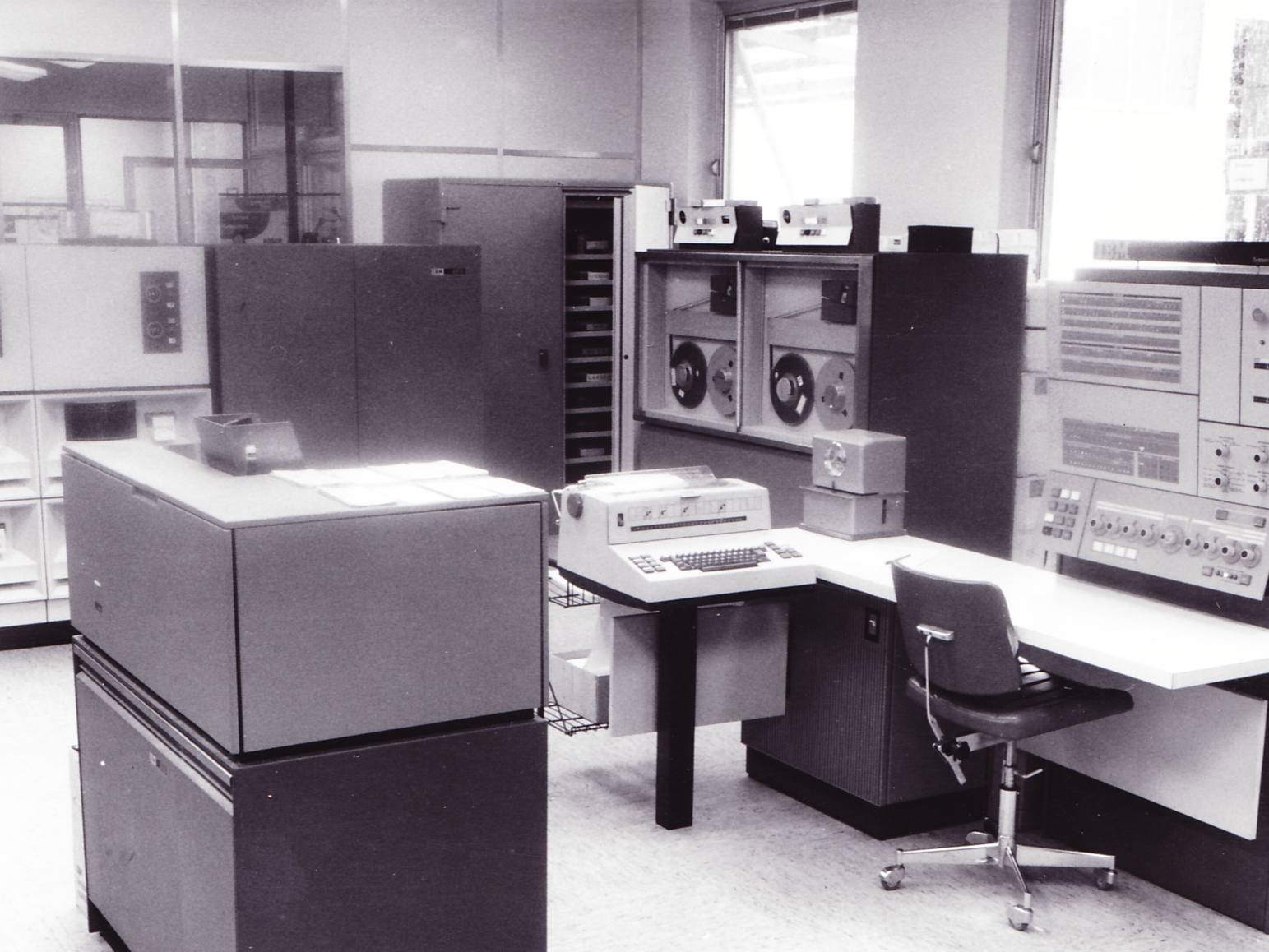
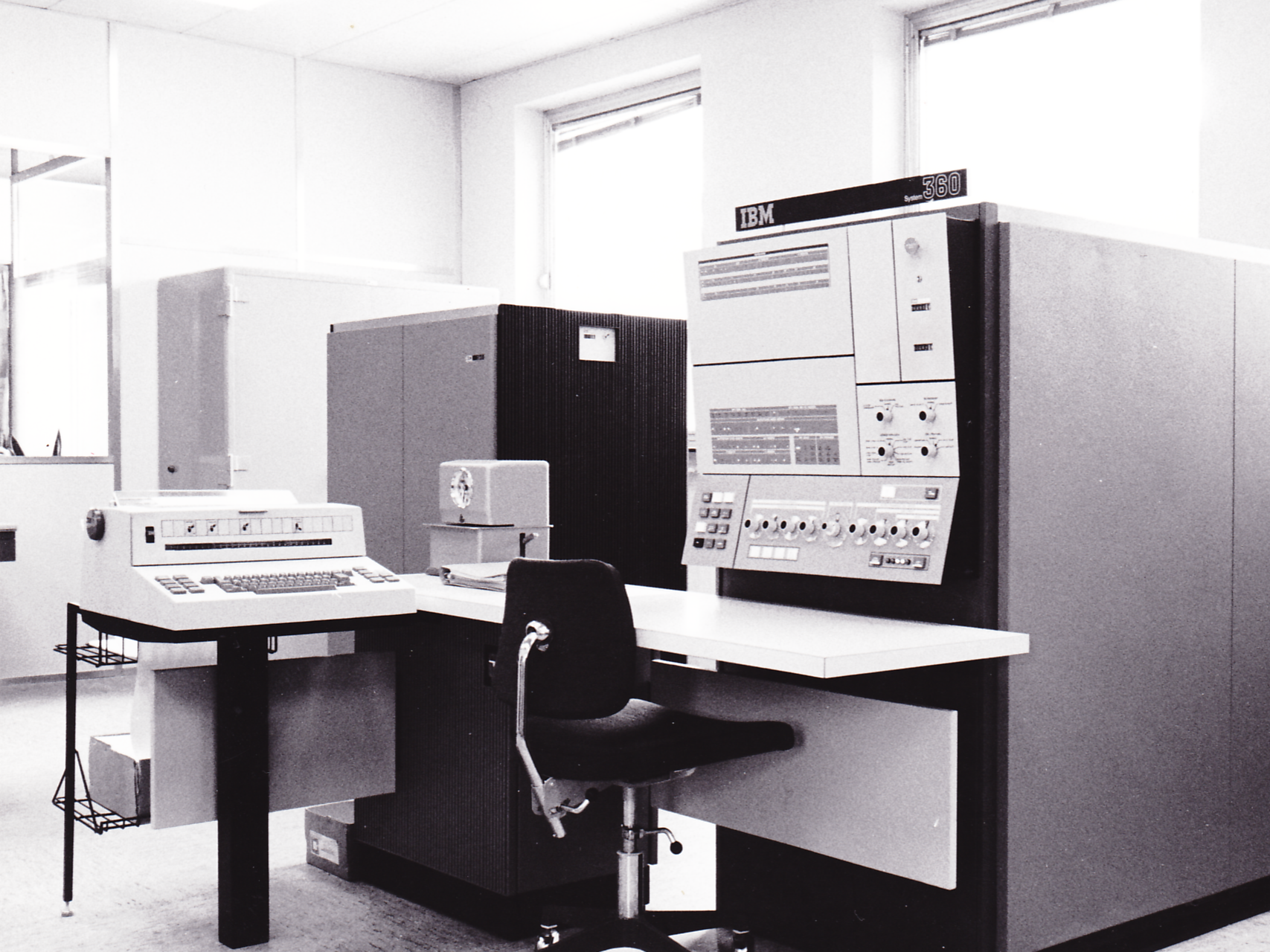
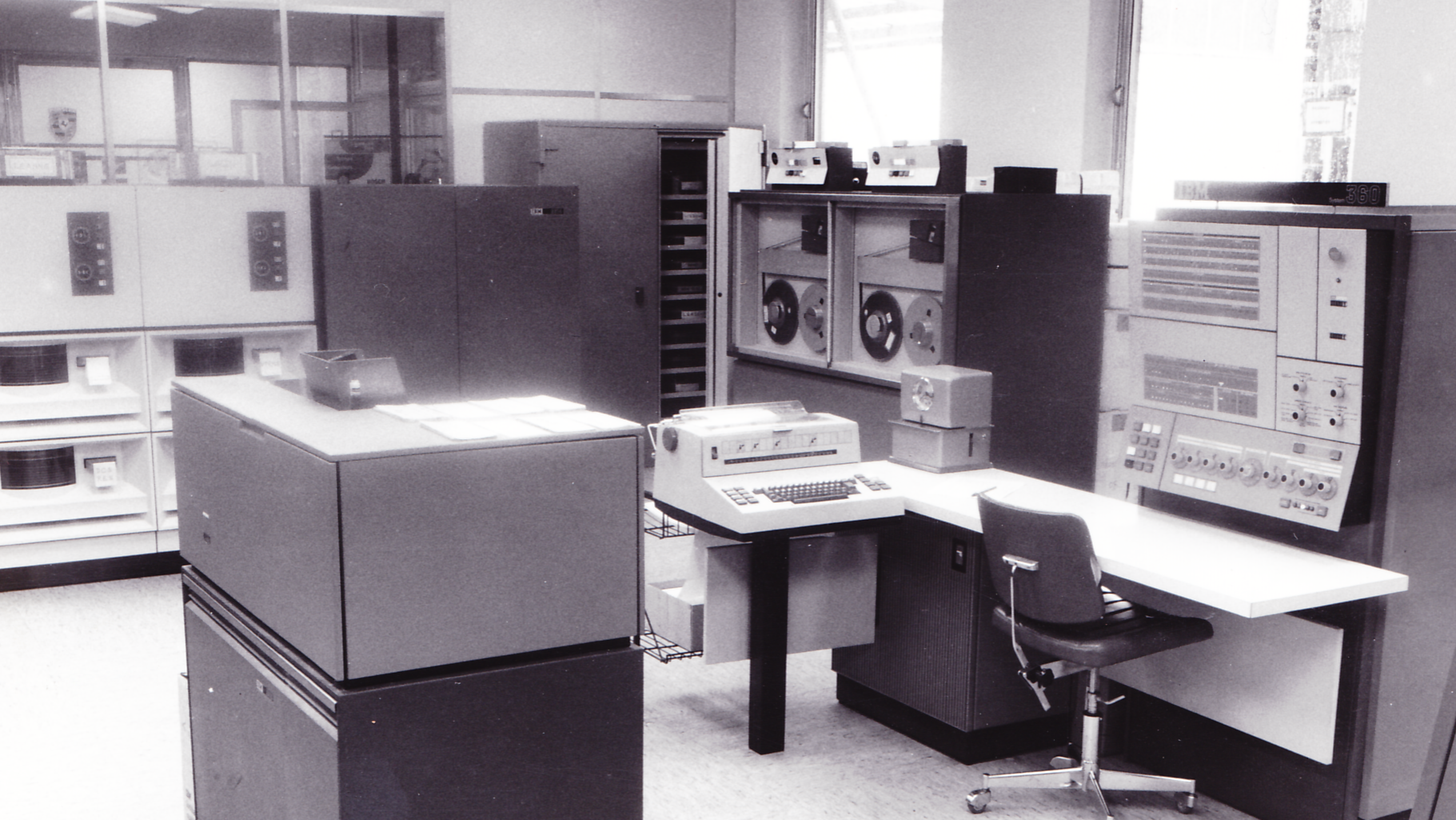
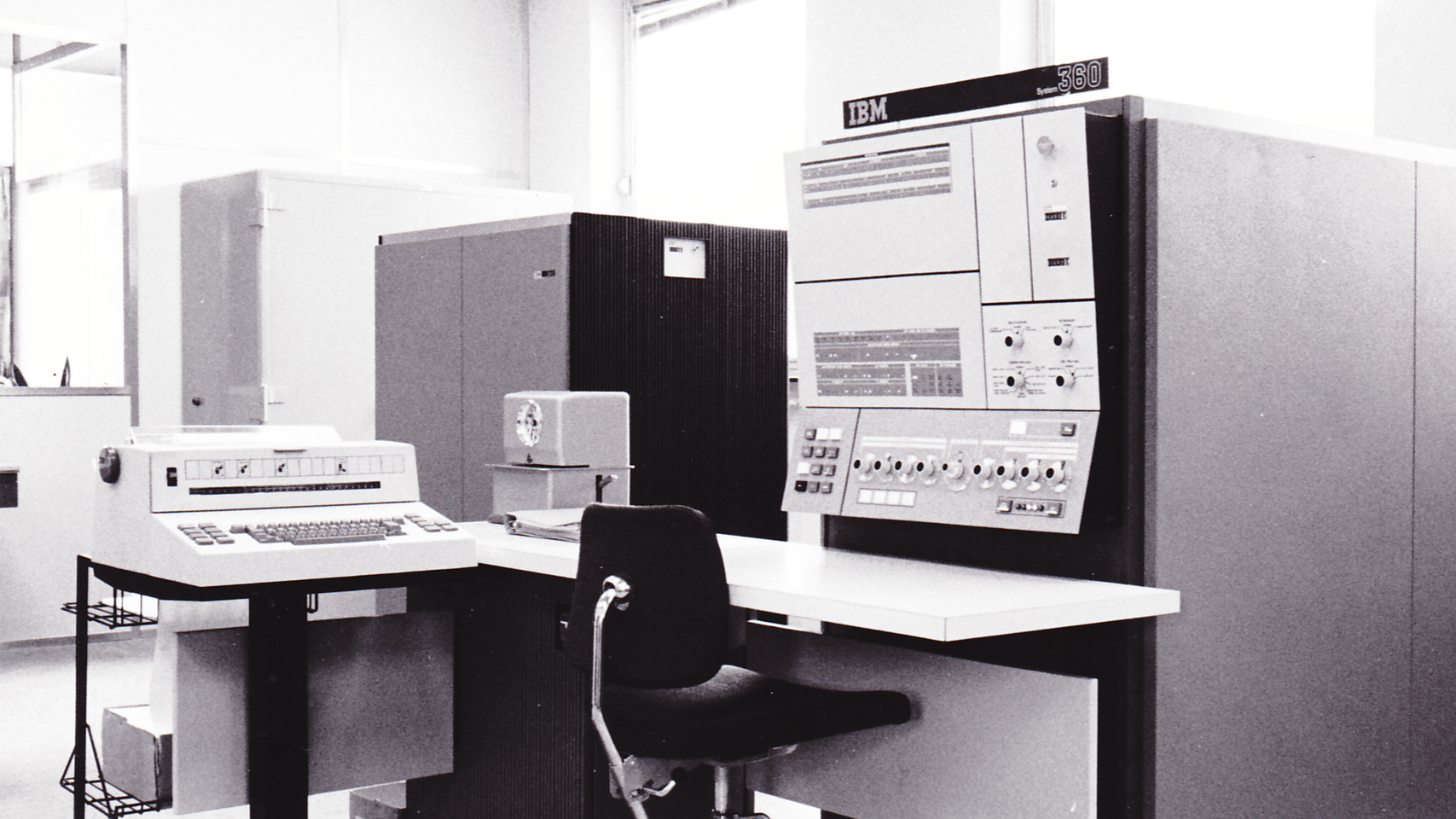
The development of electronic data processing at Porsche began in 1966 with the establishment of an EDP department in Porsche KG. After the installation of an EDP system (IBM 360/30), the “car business” (accounting, inventory management, and issuance of type certificates for all Volkswagens stored or sold in Austria) was taken over in 1967, followed by the “parts business” in 1968. Other IT-solutions followed: in 1969, for the management of leasing contracts, and in 1970, for the payroll accounting for employees in Salzburg.
)